 The independent LGBTQ+ cruise directory
Dominican Republic
Gay Cabo Rojo port guide
Gay-friendly reality checks, genuinely useful shore ideas, and zero pressure to call every beach hidden.
How gay-friendly is Cabo Rojo?
Cabo Rojo in one fabulous sentence
Cabo Rojo is the Dominican Republic’s new southwestern cruise gateway, where the headline attractions are protected landscapes, startlingly clear water, Bahía de las Águilas, and a gloriously low-rise horizon—not a ready-made resort strip pretending every port needs a Señor Something and twelve identical souvenir shops.
Understand the geography before booking anything
Port Cabo Rojo sits in Pedernales Province near the Dominican Republic’s border with Haiti, far from Punta Cana, Santo Domingo, Puerto Plata, Amber Cove, La Romana, and the country’s other familiar cruise regions. Marketplace search results can show excursions hundreds of miles away simply because they share the country label. Read every meeting point and pickup statement. “Dominican Republic” is not a port address.
The port received its first cruise ship in early 2024, according to the Dominican Port Authority. That makes the destination both exciting and operationally young. Terminal services, road patterns, tour inventory, and visitor routines may evolve. Follow the ship’s current instructions, photograph the pickup zone, and expect less independent infrastructure than at a mature Caribbean port.
Cabo Rojo’s appeal is ecological and geographic. Bahía de las Águilas, Jaragua National Park, Laguna de Oviedo, Hoyo de Pelempito, dry forest, coast, and the town of Pedernales create a nature-led day. Distances, protected-area rules, rough roads, boats, heat, and limited shade reward organized logistics. This is not the port for stepping outside and improvising five attractions before lunch.
Gay travelers: candid context
Dominican law does not criminalize consensual same-sex relationships, but same-sex marriage and civil unions are not legally recognized, and current government travel guidance describes socially conservative attitudes that can make visible affection draw unwanted attention. Gay couples can enjoy the port and organized excursions, while applying more discretion than they might in New York or another large gay destination.
Keep public affection low-key, especially outside the controlled visitor environment. Avoid exposing local guides, crew, or fellow passengers through tags or assumptions about identity. A gay group cruise creates community aboard; it does not automatically convert every rural setting ashore into a private event.
The Dominican Constitutional Court’s late-2025 decision struck down discriminatory same-sex conduct provisions in police and military justice codes. That is an important legal development, but it should not be misread as instant nationwide social acceptance or comprehensive relationship recognition. Travelers still need current official advice and normal situational awareness.
The scene audit: no padding, no invented venues
Current official tourism, local, and specialist research did not verify a dedicated or reliably gay-popular beach in Cabo Rojo or Pedernales; Bahía de las Águilas and nearby beaches are mixed-crowd nature destinations rather than documented gay beaches. They can still be spectacular choices. The distinction prevents a beautiful public beach from being mislabeled for search traffic.
Current official tourism, local, and specialist research did not verify a dedicated gay sauna or bathhouse in Cabo Rojo or Pedernales. A resort spa or general massage listing would not satisfy that category even if one appeared. No evidence means no card.
Current official tourism, local, and specialist research did not verify a dedicated gay bar or nightclub in Cabo Rojo or Pedernales. Any cruise-organized party at the terminal or aboard remains an event for that sailing, not proof of a permanent local gay venue.
Current restaurant research did not verify a dedicated or reliably gay-popular restaurant in Cabo Rojo or Pedernales with evidence strong enough for a traveler card. Choose established food stops through the ship or a reputable guide, and judge them by hygiene, quality, accessibility, timing, and a return route rather than an unsupported rainbow label.
Bahía de las Águilas: the natural headline
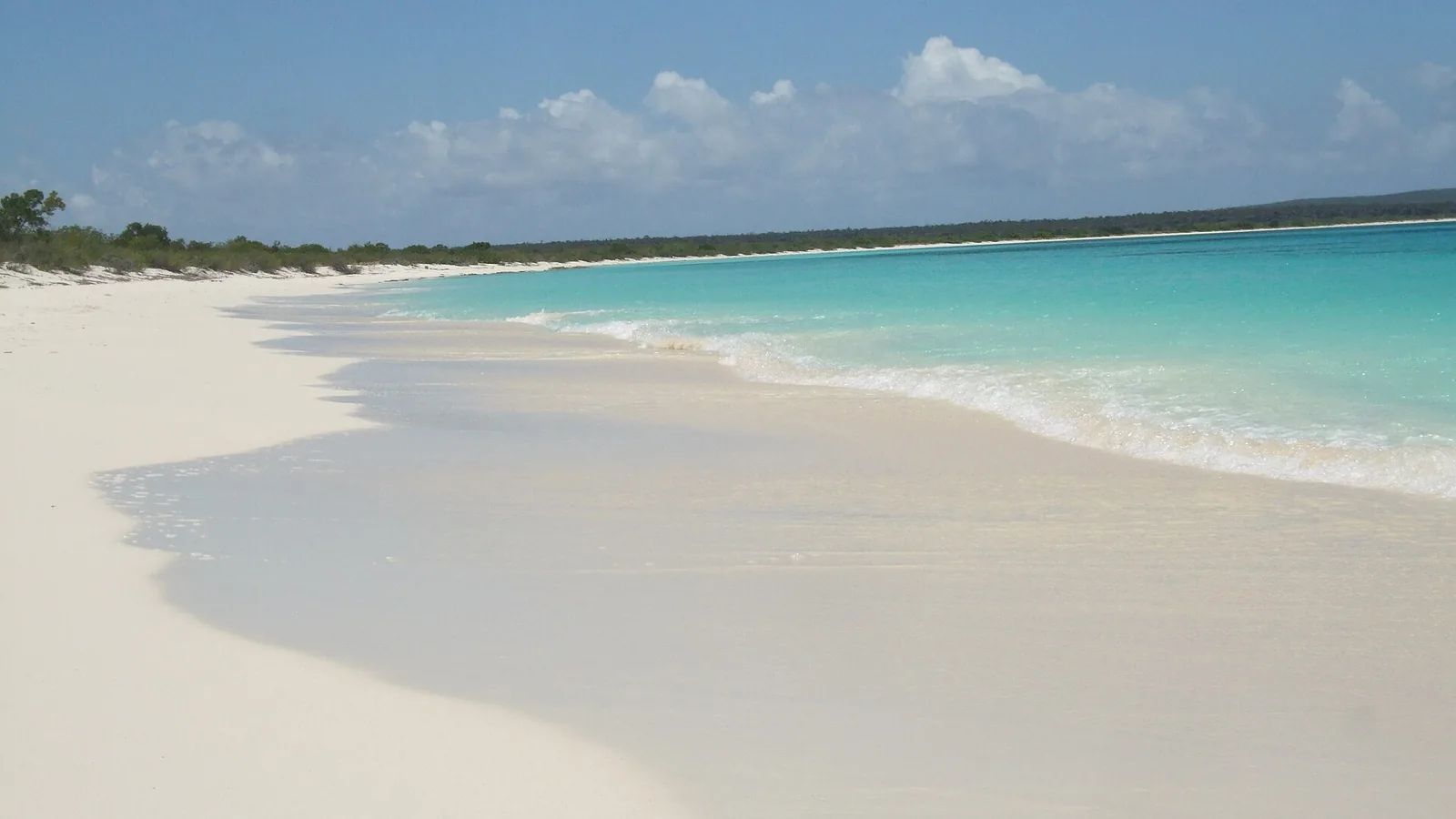
Bahía de las Águilas is the marquee coastal landscape, a long pale beach and clear-water setting associated with Jaragua National Park. Reaching it may involve a road journey, a boat, or both, depending on the operator and conditions. Confirm whether park access, boat transfer, lunch, shade, water, snorkel gear, and return are included.
Protected landscapes need respectful behavior. Follow guide instructions, carry out waste, avoid touching coral or wildlife, use reef-conscious sun protection where advised, and do not remove shells, plants, sand, or natural souvenirs. “But it was tiny” is not conservation policy.
The beach may have limited permanent shade, accessible infrastructure, medical support, shops, or reliable signal. Bring what the operator recommends and ask direct questions about toilets, changing space, seating, water entry, currents, and emergency arrangements. If you need a boardwalk, beach wheelchair, or step-free boat, obtain confirmation rather than inferring it from a glamorous aerial photo.
Jaragua, Laguna de Oviedo, and inland nature
Jaragua National Park protects varied coastal and dry-forest environments. Laguna de Oviedo is known for birdlife and a lagoon ecosystem; Hoyo de Pelempito offers a dramatic geological viewpoint in the Sierra de Bahoruco area. These are not quick side trips to bolt onto a beach charter. Road quality, park access, vehicle type, heat, and travel time determine whether a product fits the ship call.
Choose one ecological anchor. A qualified local guide can add natural history, conservation context, and safer routing. Ask whether the tour enters protected land, which authority manages access, and whether fees are included. Decline wildlife interactions that rely on touching, feeding, chasing, or staging animals for photographs.
Birders should bring binoculars rather than expecting a guide to own enough pairs for everyone. Photographers need dust and water protection. Anyone prone to motion sickness should ask whether the route uses small boats, open safari vehicles, or rough roads. The landscape is rugged because nobody flattened it for your content calendar.
Pedernales town
Pedernales can add local life, food, commerce, and a waterfront or town stop to a broader tour. Treat it as a real border-region community rather than a performance arranged around the ship. Ask permission before photographing residents, schools, workers, homes, or children. Spend with established local businesses when the operator provides a suitable stop.
Independent wandering is less straightforward than in a compact old-city port. Language, limited transport supply, heat, road conditions, and the ship clock argue for an organized plan. If taking a taxi, use the terminal’s approved process, agree on the itinerary and fare, and retain a reliable return contact. Do not accept a distant beach ride without understanding how you will get back if the driver leaves.
A thin excursion market, reported honestly
Visible Viator research produced three defensible Cabo Rojo products after direct detail-page review. Two are private catamaran charters to Bahía de las Águilas with prices designed for groups, and one is a lower-cost safari-and-beach product with limited, mixed review evidence. A separate beach-club listing was rejected because its low rating and recent complaints did not clear the quality bar. Search volume beyond those results mostly reflected other Dominican destinations.
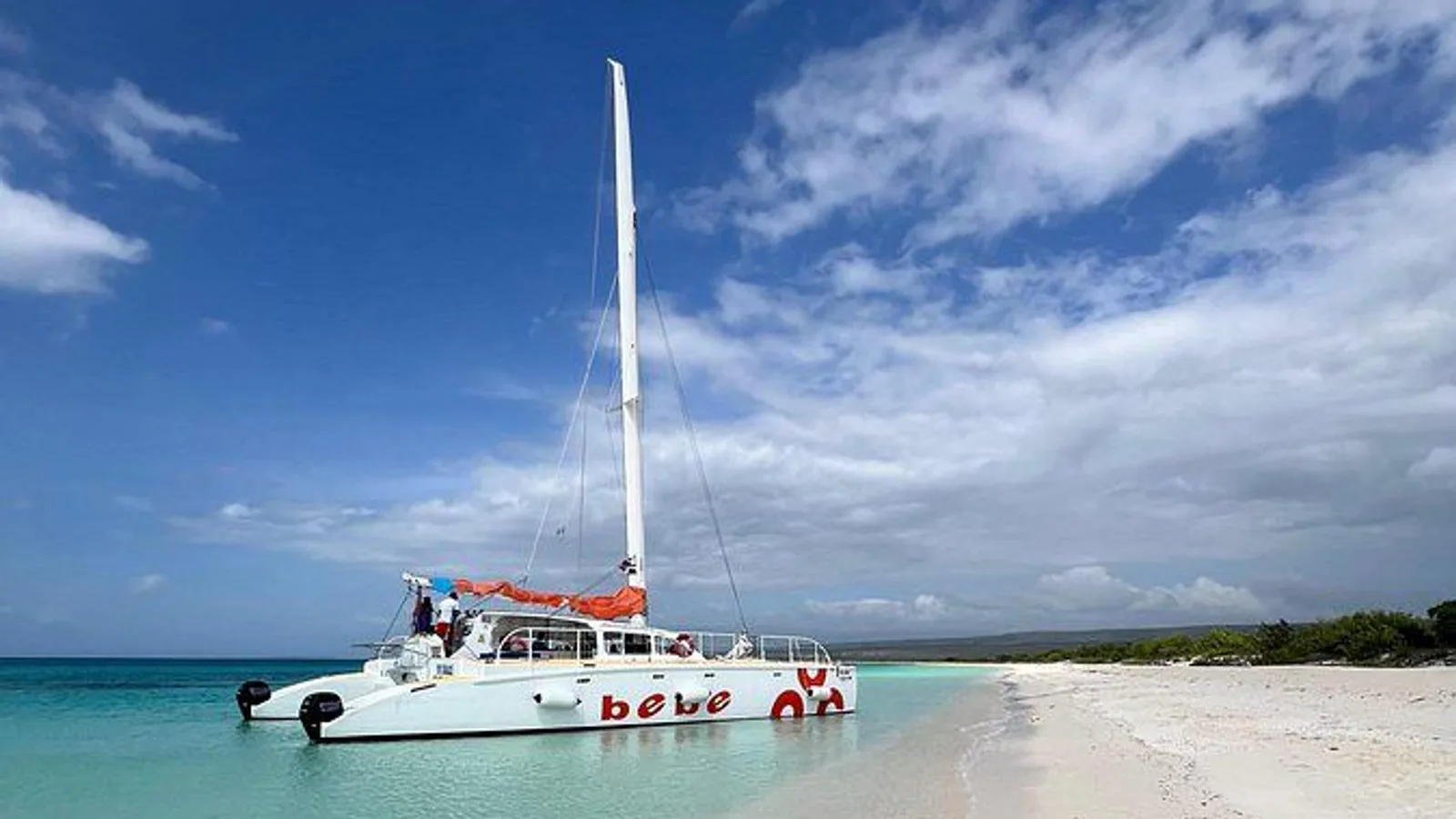
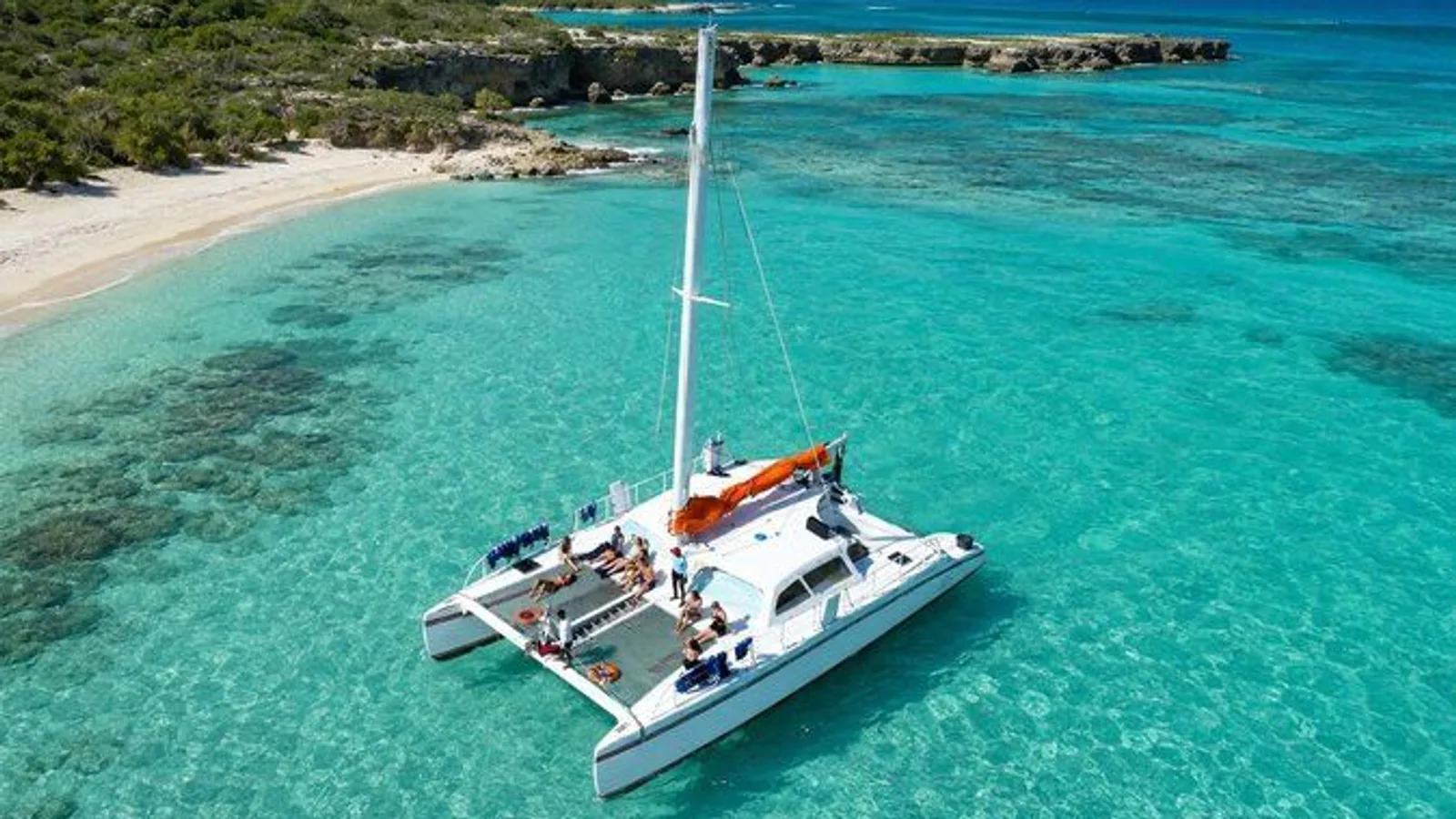
The private sailing products can make sense for a group that wants control of timing and confirms port pickup, capacity, water access, inclusions, and ship return in writing. One listing presents inconsistent group-size information across the title, overview, and booking panel; resolve the actual capacity and price before paying. The other is non-refundable and uses a meeting point near the port, so confirm transportation and cancellation risk.
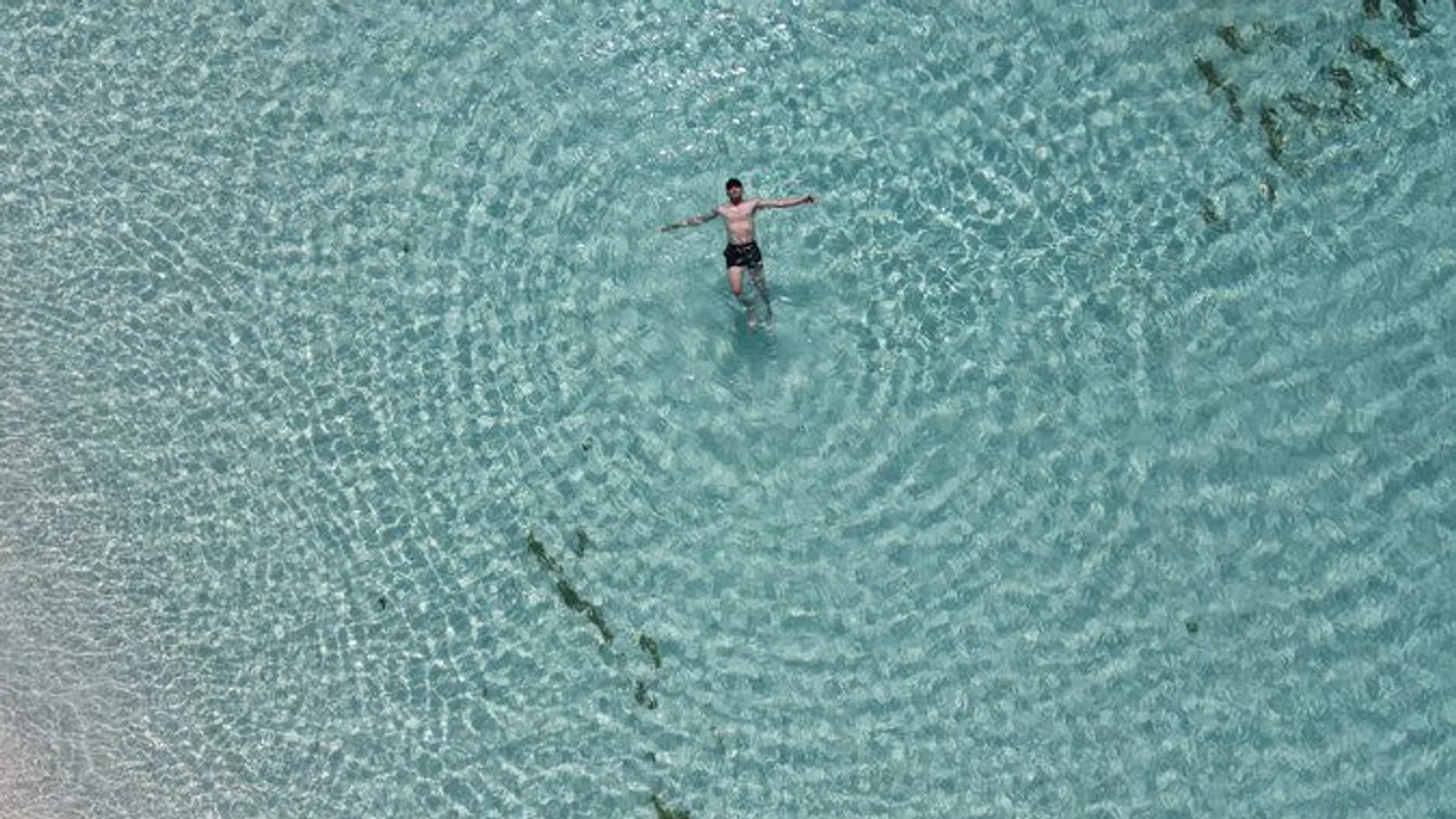
The safari product includes port pickup and a four-hour route toward Bahía de las Águilas. Its small review set includes praise as well as concerns about value and depth. Read the recent reviews, confirm the selected option’s food and snorkel inclusions, and decide whether the guided logistics justify the price for your party.
These three are a documented coverage exception, not an endorsement of every search result. The inventory is too thin for the normal four-to-eight-product target. A ship-sponsored excursion may offer better coordination and return protection while the independent market matures.
Water, heat, and weather
The southwest is hot, sunny, and exposed. Carry more water than a city walk would require, use sun protection, and wear clothing suited to boats, wind, and rough ground. A light rain layer and dry bag protect essentials when weather changes. Secure hats before the catamaran gives them a different vacation.
The Atlantic hurricane season and ordinary marine conditions can alter calls and cancel boats. Follow the cruise line and local operator. Never pressure a captain or guide to proceed because the product page showed blue water. If a water trip cancels, use a terminal or town backup approved by the ship rather than improvising a distant substitute.
Swimming and snorkeling require an honest assessment of ability. Ask about flotation devices, guide supervision, ladders, currents, depth, boat shade, and medical restrictions. Do not enter water alone or after heavy drinking. A remote beach is precisely where small precautions become sophisticated travel.
Food, water, and money
Local cuisine can include fish, rice, beans, plantains, stews, chicken, tropical fruit, and regional seafood. On remote tours, the included meal may be the only practical option. Tell the operator about allergies before booking and ask how food is stored and served. Carry sealed water and follow current health guidance.
The Dominican peso is the national currency, while excursion and port businesses may quote US dollars. Confirm currency before agreeing to a price and carry small notes if advised. Cards and signal may be unreliable away from the terminal. Keep cash discreet and do not hand over a passport as security for equipment.
Accessibility and lower-energy choices
The terminal itself may be the most accessible portion of the day. Beyond it, boats, sand, rough roads, high vehicle steps, heat, and limited toilets can create barriers. Ask the cruise line and tour operator for a stop-by-stop account: gangway, vehicle, boat boarding, walking surface, shade, seat, restroom, beach access, and emergency plan.
A traveler who cannot use a small boat may prefer a scenic drive, terminal day, or carefully confirmed town visit. A companion’s ability to lift equipment is not a substitute for an operator’s safe access plan. Generic “most travelers can participate” language does not answer whether your chair, walker, oxygen, balance, or stamina can be accommodated.
For a gentler day, prioritize one comfortable vehicle, several viewpoints, a reliable meal, and an early return. Nature is not less beautiful because you viewed it without climbing into a panga.
Safety and the border-region reality
Read current travel advice for the Dominican Republic before departure and follow any ship-specific limits. Cabo Rojo is near an international border, so do not attempt an independent border crossing or photograph security and port infrastructure where signs or officials restrict it. Stay with authorized routes and guides.
Use approved transport, keep valuables discreet, and avoid recreational drugs. Save the ship’s contact and port name offline. Mobile service may be uneven in protected and remote areas. If a vehicle or boat problem threatens the return, contact the ship immediately rather than waiting for the situation to become cinematic.
Three plans that respect the port
The nature headline: take a ship-sponsored or directly confirmed Bahía de las Águilas trip, ask every accessibility and inclusion question, enjoy the water, and return early.
The guided landscape day: choose a reputable route focused on one combination of coast, park, lagoon, viewpoint, or Pedernales—not every attraction printed on a tourism map.
The low-logistics day: explore only the authorized terminal area and a short approved local outing, especially when weather, mobility, or a short call makes remote nature unwise. A quiet deck afternoon is preferable to a tour selected out of fear of missing out.
The return-to-ship rule
State the ship’s required return time in writing to an independent operator and confirm pickup at the actual Port Cabo Rojo terminal. Build margin for boats, rough roads, weather, and a destination still developing its cruise routines. Do not accept “it’s nearby” without minutes, route, and a backup.
Cabo Rojo’s gift is not abundance; it is access to a remarkable corner of the Dominican southwest. Choose one real experience, keep the footprint light, and make the return so comfortably early that the only drama left is the color of the sea.
Current gay-scene audit notes
Current official tourism, local, and specialist research did not verify a dedicated or reliably gay-popular beach in Cabo Rojo or Pedernales; Bahía de las Águilas and nearby beaches are mixed-crowd nature destinations rather than documented gay beaches.
Current official tourism, local, and specialist research did not verify a dedicated gay sauna or bathhouse in Cabo Rojo or Pedernales.
Current official tourism, local, and specialist research did not verify a dedicated gay bar or nightclub in Cabo Rojo or Pedernales.
Gay places ashore
Not every listing here yet cites a source or publishes a distance from your berth.
Beaches: No verified gay beach found
Current official tourism, local, and specialist research did not verify a dedicated or reliably gay-popular beach in Cabo Rojo or Pedernales; Bahía de las Águilas and nearby beaches are mixed-crowd nature destinations rather than documented gay beaches.
Saunas: No verified gay sauna found
Current official tourism, local, and specialist research did not verify a dedicated gay sauna or bathhouse in Cabo Rojo or Pedernales.
Bars & clubs: No verified gay bar or club found
Current official tourism, local, and specialist research did not verify a dedicated gay bar or nightclub in Cabo Rojo or Pedernales.
Restaurants & cafés: No verified gay restaurant or café found
Current restaurant research did not verify a dedicated or reliably gay-popular restaurant in Cabo Rojo or Pedernales with evidence strong enough for a traveler card.
Gay sailings that call at Cabo Rojo
- Big Gay Southern Caribbean Cruise · January 28, 2027 · Big Gay Cruise
Bookable excursions
Cabo Rojo Catamaran Sailing & Snorkeling UP to 20 Guests
Published duration: 3 hr
A three-hour private catamaran and snorkeling charter to Bahía de las Águilas with pickup offered. The page presented inconsistent group-size language, so confirm actual capacity, total price, pickup, inclusions, accessibility, and return in writing.
4.9 stars from 79 reviews · View excursion on Viator
Safari Tour – Paradisiacal Excursion to Bahía de las Águilas
Published duration: 4 hr
A four-hour port-pickup outing through Jaragua National Park to Bahía de las Águilas. Its small review set is mixed on value and depth; check the selected option’s food and snorkel inclusions, mobility limits, and return timing.
4.0 stars from 4 reviews · View excursion on Viator
Private Catamaran to Bahia de las Aguilas Cabo Rojo
Published duration: 4 hr
A four-hour private 56-foot catamaran outing with a meeting point near the cruise port, snorkeling, beach time, snacks, and an open bar. It is non-refundable and group-priced; confirm transport, capacity, water access, and ship return.
Opening hours and local conditions change. Confirm details before setting off, and use the ship’s all-aboard time—not optimism—as your deadline.