 The independent LGBTQ+ cruise directory
Antarctica
Gay Drake Passage port guide
Gay-friendly reality checks, genuinely useful shore ideas, and zero pressure to call every beach hidden.
How gay-friendly is Drake Passage?
Drake Passage in one fabulous sentence
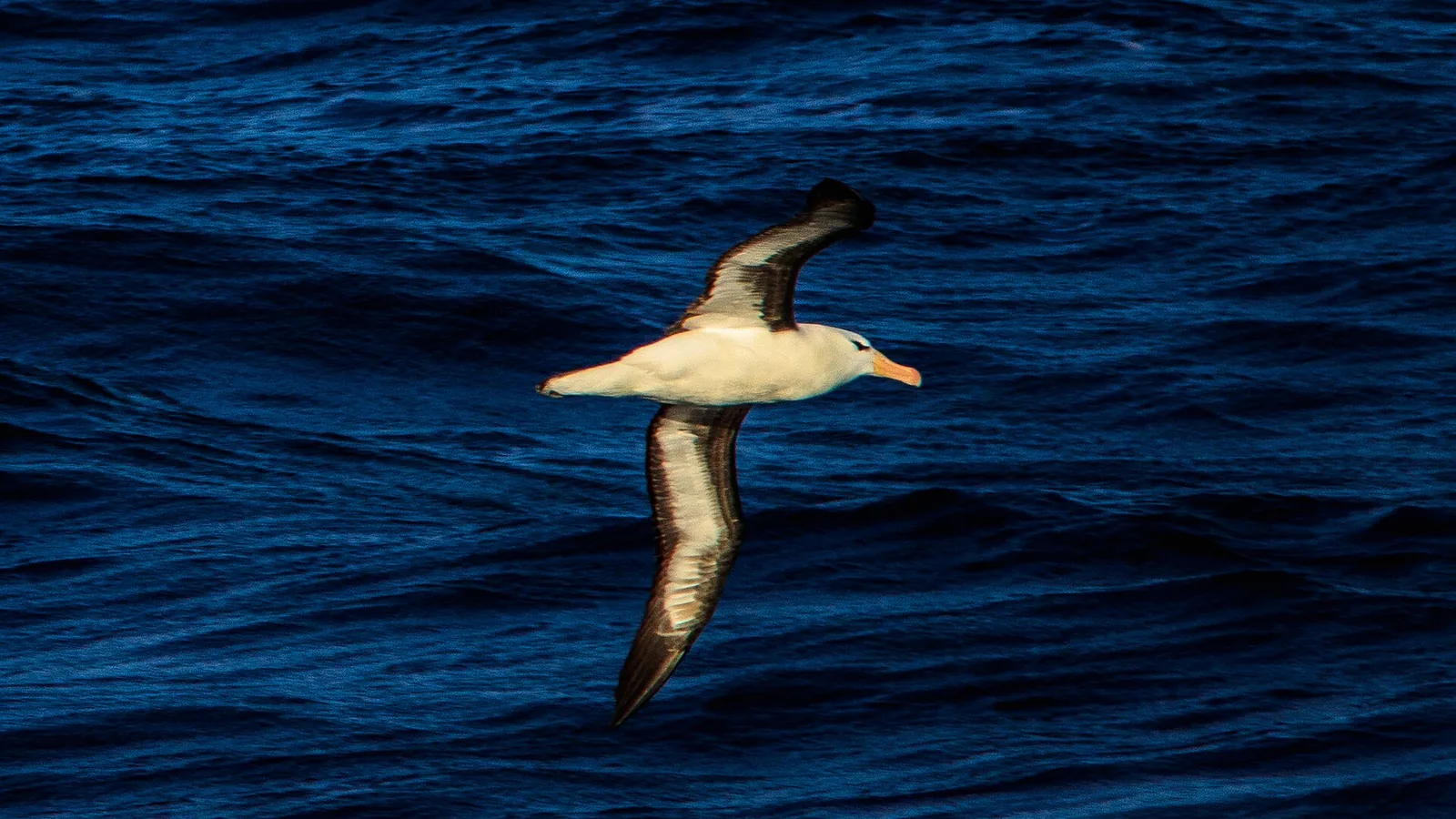
The Drake Passage is the famously restless stretch of Southern Ocean between Cape Horn and the Antarctic Peninsula, where your “port day” happens entirely aboard ship and the entertainment may include albatrosses, horizon, expedition lectures, new friendships, and a coffee cup performing choreography nobody rehearsed.
First, the important geography
This is an intentional scenic-cruising page, not a town page with an unusually evasive mayor. Ships crossing between Ushuaia and Antarctica spend a substantial part of the voyage in open water. There is no cruise terminal, beach shuttle, independent taxi rank, or little row of souvenir shops waiting outside the gangway. Passengers do not go ashore in the Drake Passage.
That distinction matters because an itinerary may show “Drake Passage” exactly where another sailing shows a port. Here, the location describes the crossing itself. Your plans live on the ship: attend the expedition briefing, watch the weather, secure loose belongings, follow crew directions, and use the crossing to settle into the rhythm of an Antarctic voyage.
The sea state varies. A calm crossing can feel almost meditative; a lively one can turn walking to breakfast into an advanced balance class. Nobody can promise the “Drake Lake” or the “Drake Shake” before departure. Treat forecasts as useful guidance rather than a contractual personality test for the ocean.
Gay life is the ship
On the gay group departures and full-ship charters that bring this page into the catalog, the social scene is aboard. That is unusually liberating: instead of racing across a city to locate one rainbow sticker, you are already traveling with gay passengers who chose the same improbable, magnificent destination. The lounge, lecture room, observation deck, and dining room become the places where people meet.
There is no shoreside gay neighborhood to research, and pretending otherwise would be pure cartographic camp. Hosted programming varies by operator and sailing, so check the current itinerary for welcome events, talks, meals, parties, or quieter gathering spaces. A late-night petrel sighting counts as a perfectly good evening. All are valid forms of fabulous.
If you are traveling solo, use the first day to learn names and join a table. The crossing gives conversations time to breathe. If you are traveling as a couple, do not assume everyone else arrived in a pair; inviting a solo guest into a trivia team or dinner group is the sort of tiny kindness that improves the whole expedition.
Before the ship leaves Ushuaia
Motion-sickness planning belongs on the pre-departure list, not the “why is the ceiling moving?” list. Speak with your clinician before travel if you are prone to seasickness or uncertain about medication. Some remedies need to be taken before rough motion begins, and individual medical circumstances matter. Pack whatever has been professionally recommended in your carry-on rather than a checked bag that is enjoying an independent vacation.
Choose a cabin with motion in mind if that is important to you. Midship and lower decks generally feel less movement than high, far-forward spaces, though the ship’s design and conditions still matter. Know how to reach reception or the medical team. Attend the mandatory briefings even if you have crossed oceans before; this vessel, this crew, and these conditions are the ones that count.
Hydrate, eat sensibly, and moderate alcohol before open water. An empty stomach is not automatically a heroic stomach. Ginger sweets, bland snacks, fresh air, a view of the horizon, and lying down can help some travelers, but none replaces medical advice. If you feel unwell, tell the crew instead of attempting a private endurance record.
What to wear when the destination is weather
Inside, dress for a moving, climate-controlled ship. Outside, dress for wind, spray, and fast-changing cold. A waterproof outer layer, warm mid-layer, hat, gloves, and secure shoes are more useful than one enormous coat that makes every corridor negotiation resemble furniture delivery. Keep camera straps and glasses secure. A loose cap offered to the Drake becomes a very small international incident.
Use handrails and keep one hand free on stairs. Move deliberately, especially when the ship is rolling. Never enter an exterior deck that the crew has closed, and never climb or lean past barriers for a photograph. The bird will remain impressive without proof that you nearly became a marine research question.
UV exposure can be strong even in cool conditions, so bring sunglasses and sunscreen. Cold drains batteries quickly; carry a spare close to your body and protect electronics from condensation when moving between warm interiors and cold decks. Binoculars are wonderful, but practice focusing them before the first albatross appears and everybody suddenly forgets how objects work.
Wildlife watching without being that passenger
The crossing can produce views of seabirds and, with luck, marine mammals. Wildlife is never scheduled to match the daily program. Spend time on deck, listen for announcements, and accept that the person who stepped inside for tea may return to fifteen breathless descriptions of something extraordinary.
Follow the expedition team’s identification guidance and observation rules. Do not use drones, throw food, play calls, or improvise methods to attract animals. Responsible observation means letting wildlife remain wild. Photographing a distant bird beautifully is a skill; making it change course for your content is not.
Keep expectations broad. The Drake’s value is not a checklist of species but the scale of the place: deep water, enormous weather, long-winged birds, and the physical transition between continents. A quiet watch with no headline sighting can still be the moment the expedition begins to feel real.
Biosecurity starts before land appears
IAATO’s visitor preparation emphasizes briefings and biosecurity for Antarctic travel. Your operator will provide the exact procedure, which may include cleaning and inspecting outerwear, bags, boots, and equipment before landings elsewhere in the voyage. Participate carefully. Seeds, soil, and organic material can travel unnoticed in hook-and-loop fasteners, pockets, tripods, and boot treads.
The Drake is often when expedition teams conduct those checks. Bring clean gear and make it easy to inspect. Do not pack fresh food for later landings or assume something tiny cannot matter. Antarctica’s protection depends on thousands of visitors taking unglamorous details seriously. The lint roller may be the least photogenic hero of the expedition.
Accessibility and energy budgeting
An accessible cabin does not make every ship space equally accessible in heavy seas. Ask the operator before booking about lifts, thresholds, exterior-deck access, emergency procedures, medical support, companion requirements, and which programs can be followed from seated indoor spaces. Movement that is easy alongside a pier can become difficult when the deck is moving.
Plan rest as an activity. The temptation to attend every lecture, meal, wildlife call, cocktail, and late-night gathering can produce exhaustion before Antarctica appears. Pick priorities. A nap during open water is not wasted expedition time; it is maintenance for the days when landings and Zodiac operations demand more energy.
Travelers with sensory needs should ask about announcements, engine vibration, crowded briefing rooms, lighting, and quiet spaces. Travelers who use mobility devices should discuss secure storage and charging. Medical facilities aboard expedition vessels are designed for stabilization and limited care, not the full resources of a city hospital. Appropriate insurance and evacuation coverage deserve serious attention.
Connectivity, privacy, and the group chat
Satellite internet can be limited, slow, expensive, or interrupted. Download travel documents, medication information, books, music, maps, and important contacts before sailing. Tell people ashore that silence may mean “crossing the Southern Ocean,” not “dramatically reinventing myself.” Put devices in airplane mode unless the operator says otherwise.
Ask before photographing or posting other passengers. A gay voyage can feel wonderfully open aboard while some guests maintain privacy at home or work. Do not tag someone, reveal their travel, or publish a cabin number without permission. The penguins are not on LinkedIn; your fellow travelers might be.
What to do during a calm crossing
Use the observation deck, attend natural-history and photography talks, learn how upcoming landings work, organize your layers, and introduce yourself to the expedition staff. Review camera settings while the stakes are a horizon rather than a once-in-a-lifetime whale. Mark your gear discreetly; a ship full of identical black waterproof trousers can become a very niche identity crisis.
A calm day is also ideal for meeting people beyond your dinner table. Join a lecture, card game, hosted gathering, or informal bird watch. If the operator offers a bridge visit, citizen-science activity, or equipment workshop, follow the current program and capacity rules. The best crossing memories are often small: a shared joke, the first iceberg rumor, or everybody silently watching one bird use the wind better than any machine.
What to do during a rough crossing
Follow crew instructions immediately. Exterior decks, lifts, or programs may close. Keep drawers and doors latched, store heavy items low, and remove trip hazards from the cabin. Sit or lie down before you feel overwhelmed. Use handrails, wear secure shoes, and let the dining-room staff help; this is not the moment to prove you can carry four beverages elegantly.
Program changes are a safety decision, not a service failure. The captain and expedition leader are working with conditions you cannot judge from a cabin window. Be patient with revised schedules and kind to crew members managing hundreds of individual reactions to one very large ocean.
If anxiety rises, reduce the horizon of the problem. Focus on the next hour: medication as directed, water, a small meal, rest, and contact with the medical team if needed. Many travelers discover that the anticipation was worse than the crossing. Others have a genuinely rough time and still arrive delighted. Neither response needs competitive storytelling.
Excursions, or the honest absence of them
No legitimate Viator shore excursion was found for the Drake Passage because this is an at-sea crossing with no public landing or independent meeting point. Search results labeled with “Drake” referred to places such as Drake Bay in Costa Rica or unrelated products elsewhere. Those are not clever alternatives; they are different geography wearing the same first name.
Your expedition operator controls shipboard programming and any later Antarctic landings. Do not book a marketplace product for a supposed Drake Passage pickup. There is nowhere for the guide to stand, unless the guide is an exceptionally motivated albatross.
The return-to-ship rule, delightfully simplified
You are already on the ship. The challenge is returning safely to your cabin, lecture, or dinner table while the ship moves beneath you. Observe closures, keep the corridor clear, secure belongings, and never let a social event outrank a safety announcement.
The Drake Passage is not dead time between “real” destinations. It is the threshold of Antarctica, a live demonstration of ocean scale, and a rare stretch when gay passengers can settle into community without navigating a new city every six hours. Prepare well, loosen the schedule, respect the sea, and let the crossing be exactly as dramatic—or unexpectedly gentle—as it chooses.
Current gay-scene audit notes
Passengers do not go ashore in the Drake Passage, so a shoreside gay beach is not applicable.
Passengers do not go ashore in the Drake Passage, so a shoreside gay sauna or bathhouse is not applicable.
Passengers do not go ashore in the Drake Passage, so a shoreside gay bar or nightclub is not applicable.
A scenic cruising day
Drake Passage is a scenic-cruising stop — the ship passes through without going ashore, so there's no berth and no gay places to list here.
Gay sailings that call at Drake Passage
- Antarctica Explorer Cruise · January 6, 2027 · Aquafest Cruises
- Antarctica Hosted Expedition · February 5, 2027 · KelliGregg Travel
- Antarctica Voyage · February 14, 2027 · Aquafest Cruises
- Antarctica Cruise · November 14, 2027 · VACAYA
- Antarctica Gay Expedition · December 8, 2027 · KGAY Travel / Out Adventures
Bookable excursions
No independently verified port-fitting excursions are listed right now.
Opening hours and local conditions change. Confirm details before setting off, and use the ship’s all-aboard time—not optimism—as your deadline.