 The independent LGBTQ+ cruise directory
Austria
Gay Dürnstein port guide
Gay-friendly reality checks, genuinely useful shore ideas, and zero pressure to call every beach hidden.
How gay-friendly is Dürnstein?
Dürnstein in one fabulous sentence
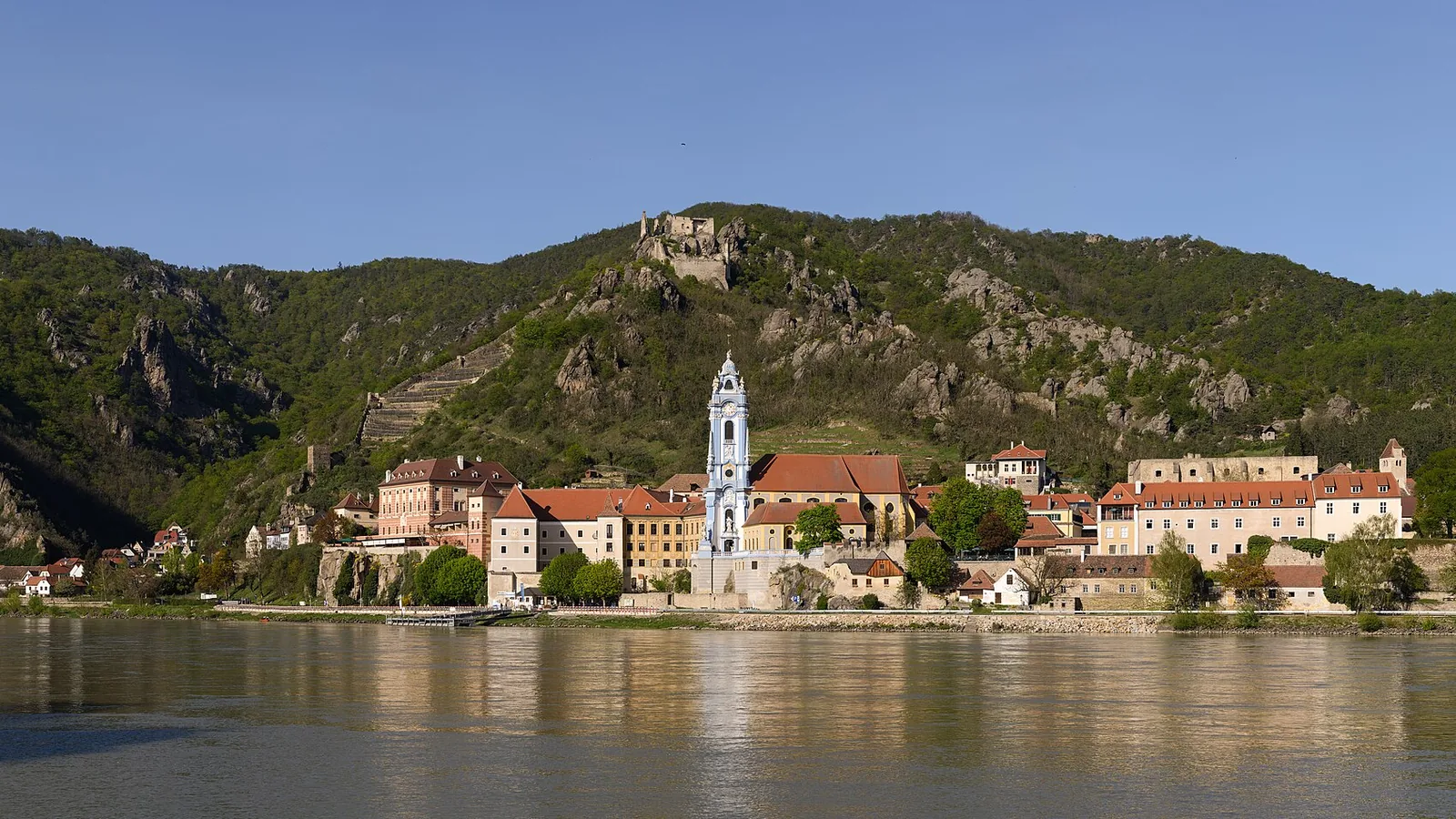
Dürnstein is a compact Wachau village where a blue abbey tower, vineyard terraces, medieval lanes, castle ruins, and the Danube all compete for your camera while the riverboat waits close enough to keep the day gloriously low-drama.
Why this little stop earns its place
Dürnstein is small, but it is not filler between Vienna and Melk. It sits within the UNESCO-listed Wachau Cultural Landscape, a Danube corridor shaped by towns, monasteries, vineyards, orchards, and centuries of traffic along the river. The village gives a river-cruise itinerary something larger cities cannot: a place where the headline sights begin almost as soon as you step ashore.
The official Danube tourism listing identifies the Dürnstein 22 boat station on the left bank of the river and describes the historic district as easy to reach on foot. That does not mean every passenger should sprint uphill toward a ruin. It means a thoughtful, compact plan is possible without sacrificing half the call to transfers.
The visual star is the blue-and-white tower of Dürnstein Abbey, with the old town gathered beneath vineyard slopes. Above it are the ruins of Dürnstein Castle, associated with the captivity of Richard the Lionheart. The climb is popular, steep, and entirely optional. You may admire a ruin without personally becoming one.
Gay-friendliness in practice
Dürnstein is a mixed-crowd heritage village, not a gay nightlife destination. Gay couples should approach it as they would other busy Austrian visitor towns: comfortably, courteously, and without expecting a dedicated scene behind every apricot display. Austria’s federal equal-treatment information describes protections related to sexual orientation and gender identity, while also noting differences in the legal scope across areas of life. For a short daytime call, the practical experience is tourism, wine, history, and walking—not venue-hunting.
No dedicated gay beach, sauna, bar, nightclub, or restaurant was verified in current local tourism and specialist research. That absence is useful planning information. It lets gay passengers spend the call on the Wachau instead of searching for a rainbow door that current evidence does not support. Vienna is the region’s meaningful gay-scene destination; Dürnstein’s charms are proudly architectural, agricultural, and occasionally apricot-flavored.
Public affection in the village should be judged with the same situational awareness you use anywhere. The historic center receives international visitors, and a hand held over cobblestones is unlikely to become the day’s most dramatic event. Respect churches, services, private property, and the fact that somebody is always trying to take an unobstructed photograph of the abbey tower.
From the landing to the old town
The Dürnstein 22 landing is on the Danube’s left bank, and the official station page describes the historic center as an easy walk. Verify your vessel’s exact landing because river ships may use different berths or be rafted alongside one another. Leaving a riverboat can involve gangways and passage through another vessel; accessibility changes with river level, berth, and operational arrangement.
Once ashore, the village is compact. The principal lanes, abbey exterior, shops, cafés, and viewpoints can fit into a short call. The municipal information for visitors also makes clear that driving and parking within the old center are restricted. That is part of the charm until somebody books a driver and assumes the car can materialize beside the church.
Screenshot the ship’s daily program and note all-aboard time. River schedules can change because of locks, water levels, traffic, or operational decisions. The ship’s announcement outranks the timetable you saved last week and, regrettably, this very organized paragraph.
The abbey and the blue tower
Dürnstein Abbey anchors the village visually. Opening hours, tour access, worship schedules, and ticketed areas can change, so use the official current information supplied locally or by your cruise director. Even when interiors are unavailable, the complex and riverfront create a rewarding walk.
Dress respectfully for active religious spaces. Keep voices low, disable flash where required, and do not treat a service as immersive theater. Travelers who cannot manage many steps should ask which portions are level and whether a seated visit or exterior viewpoint offers the better experience.
The tower is photogenic from nearly every angle, which creates a pleasant problem: you can lose fifteen minutes improving a photograph that was already lovely. Take the picture, then look at the place with your eyes. They have excellent resolution and require no cloud backup.
The castle-ruin climb
The path to Dürnstein Castle rises above the village over uneven, steep terrain. The payoff is a broad Wachau view, but the climb requires suitable shoes, water, time, and an honest relationship with your knees. Heat, rain, loose surfaces, and crowds can increase the effort.
Do not begin merely because the ruin is visible. Check the ship clock, ask how long the route is taking under current conditions, and build time for the descent. Turn around if the surface or weather feels wrong. “We almost missed the boat for a medieval prison” is a sentence with historical texture but poor vacation energy.
Travelers skipping the climb are not receiving a lesser Dürnstein. River-level lanes, the abbey precinct, vineyard views, shops, and a café can make a complete visit. Couples with different mobility or energy levels can agree on a meeting point in the village rather than attempting unreliable phone service on the hillside.
Wine, apricots, and edible geography
The Wachau is known for wine and apricots, and Dürnstein shops lean into both with enthusiasm. Look for local provenance rather than assuming every bottle or jar displayed near a blue tower was produced on the next slope. A guided tasting can explain grape varieties and the region’s classification better than speed-reading labels while your partner whispers about lunch.
If tasting, confirm the meeting point, duration, amount of walking, and return time. Eat first, hydrate, and remember that a tasting can become less educational with every generous pour. Travelers who do not drink can still enjoy vineyard scenery, food, and local fruit products without being assigned the tragic role of “person waiting for everyone else.” Ask whether nonalcoholic options are available.
Apricot jam, nectar, pastries, dumplings, liqueur, and brandy appear in the region. Choose what travels safely and complies with customs rules later in the itinerary. A jar wrapped in a sock is not a logistics strategy; it is an origin story for laundry.
The one honest marketplace excursion
Visible Viator research produced only one defensible port-fitting product: a private Wachau heritage tour with explicit Dürnstein Cruise Port pickup and return. Other visible candidates began in Vienna, required meeting in Spitz, or covered broader itineraries that did not reliably fit a short Dürnstein river call. The one-product exception is deliberate; marketplace abundance is not the same as usable inventory.
The accepted listing describes a four-hour private experience covering Dürnstein, the abbey and castle story, Wachau scenery, and nearby villages, with pickup offered from the cruise port. It was shown as non-refundable during research. Open the current detail page before paying and verify the exact date, pickup point, mobility needs, inclusions, cancellation terms, and ship return time. A private tour can be flexible, but it cannot renegotiate the Danube schedule by force of personality.
Build the day around the clock
For a very short call, walk the old lanes, see the abbey precinct, photograph the river and vineyards, and choose one café or shop. For a standard half-day, add the castle climb if conditions and mobility cooperate, or arrange a guided abbey-and-village visit. For a longer call, a private drive or guided outing into the Wachau can add villages, viewpoints, or a tasting.
Do not stack a timed abbey tour, full castle climb, long lunch, tasting, and drive because they all appear close on a map. Vertical distance, cobblestones, crowds, and lingering over wine are real time. Pick one anchor and let the village supply the texture around it.
If the ship offers a guided walk, compare its pace and route with your needs. A group tour can simplify access and storytelling; independent wandering gives more control. Neither is inherently superior. The right choice is the one that returns you to the landing relaxed rather than auditioning for an Austrian action film.
Accessibility without wishful thinking
Historic lanes can include cobbles, slopes, narrow passages, thresholds, and steps. The castle path is unsuitable for many mobility needs. Ask the vessel and any tour operator about the exact gangway, rafted-ship transfer, walking distance, vehicle access, restroom, seating, and surfaces on your specific date.
Wheelchair users should not rely on a generic “accessible” label for the whole village or a marketplace product. Request a stop-by-stop description and vehicle specification. A companion may be required for some transfers. River levels can alter gangway steepness, so even a well-researched plan needs a day-of check.
Travelers with limited stamina can have a lovely visit near the river and lower village. Schedule a seated café break before fatigue becomes the itinerary director. Shade can be limited on exposed paths; carry water and sun protection in warm weather, plus a light rain layer when forecasts look indecisive.
Weather and what to wear
Conditions vary across the river season. Spring and autumn can be cool; summer can be hot on the exposed castle path; Christmas-market sailings require genuine winter layers. Wear shoes with grip. Cobblestones are charming largely because they are not trying to walk on themselves.
Carry a light waterproof layer, water, sunscreen, and any medication you need ashore. If cycling is offered, confirm the route, helmet, traffic exposure, gradient, and return plan. Pictures of bicycles beside vineyards do not reveal the skill or stamina required between frames.
Photography, manners, and privacy
The blue abbey tower, river curve, vineyard terraces, rooftops, and ruin provide abundant subjects. Respect signs around religious and private areas. Do not block the narrow lane for a prolonged portrait session, fly a drone without confirmed permission, or photograph residents and other travelers closely without consent.
Gay group travelers should be especially thoughtful about posting companions. Someone can be happily out on the Danube and still not want a geotagged photograph shared with colleagues. Ask before tagging, and never publish a cabin number or daily-program detail that creates a security issue.
Safety without melodrama
Dürnstein’s main practical risks are ordinary ones: slips, heat, cold, alcohol, traffic at the edges of pedestrian areas, and losing track of time. Keep valuables secure in crowds, use marked paths, and follow closure signs. The hillside is not improved by attempting a shortcut through a vineyard.
Save the ship’s contact details offline. If separated from a guided group, contact the guide rather than guessing the next stop. If an injury, delay, or changing river operation threatens return, tell the ship immediately. Small villages can produce very large complications once the gangway rises.
The return-to-ship rule
Start back earlier than the walking estimate suggests, particularly after the castle or an off-village tour. Confirm whether “Dürnstein” on the daily schedule means the same numbered landing where you disembarked. River vessels sometimes reposition, and multiple berths can look confusingly similar after a tasting.
Set one alarm for the beginning of the return and another for the moment when all browsing must stop. Keep enough battery to show the ship information. Dürnstein is compact enough to feel effortless and beautiful enough to make time disappear; plan for both facts.
Current gay-scene audit notes
No dedicated or reliably gay-popular beach was verified in Dürnstein; the riverbank and nearby recreation areas are mixed-crowd spaces rather than documented gay beaches.
Current local tourism and specialist sources did not provide enough direct evidence to verify a dedicated gay sauna or bathhouse in Dürnstein.
Current local tourism and specialist sources did not provide enough direct evidence to verify a dedicated gay bar or nightclub in Dürnstein.
Gay places ashore
Not every listing here yet cites a source or publishes a distance from your berth.
Beaches: No verified gay beach found
No dedicated or reliably gay-popular beach was verified in Dürnstein; the riverbank and nearby recreation areas are mixed-crowd spaces rather than documented gay beaches.
Saunas: No verified gay sauna found
Current local tourism and specialist sources did not provide enough direct evidence to verify a dedicated gay sauna or bathhouse in Dürnstein.
Bars & clubs: No verified gay bar or club found
Current local tourism and specialist sources did not provide enough direct evidence to verify a dedicated gay bar or nightclub in Dürnstein.
Gay sailings that call at Dürnstein
- Prague & Danube River Cruise · August 6, 2027 · Brand g Vacations
- Danube Gay Group Cruise · August 22, 2027 · Two Bad Tourists
- Christmas Markets Along the Danube · November 30, 2027 · Aquafest Cruises
- Europe Christmas Markets Cruise · December 9, 2027 · VACAYA
- Prague & Danube River Cruise · September 30, 2028 · Brand g Vacations
Bookable excursions
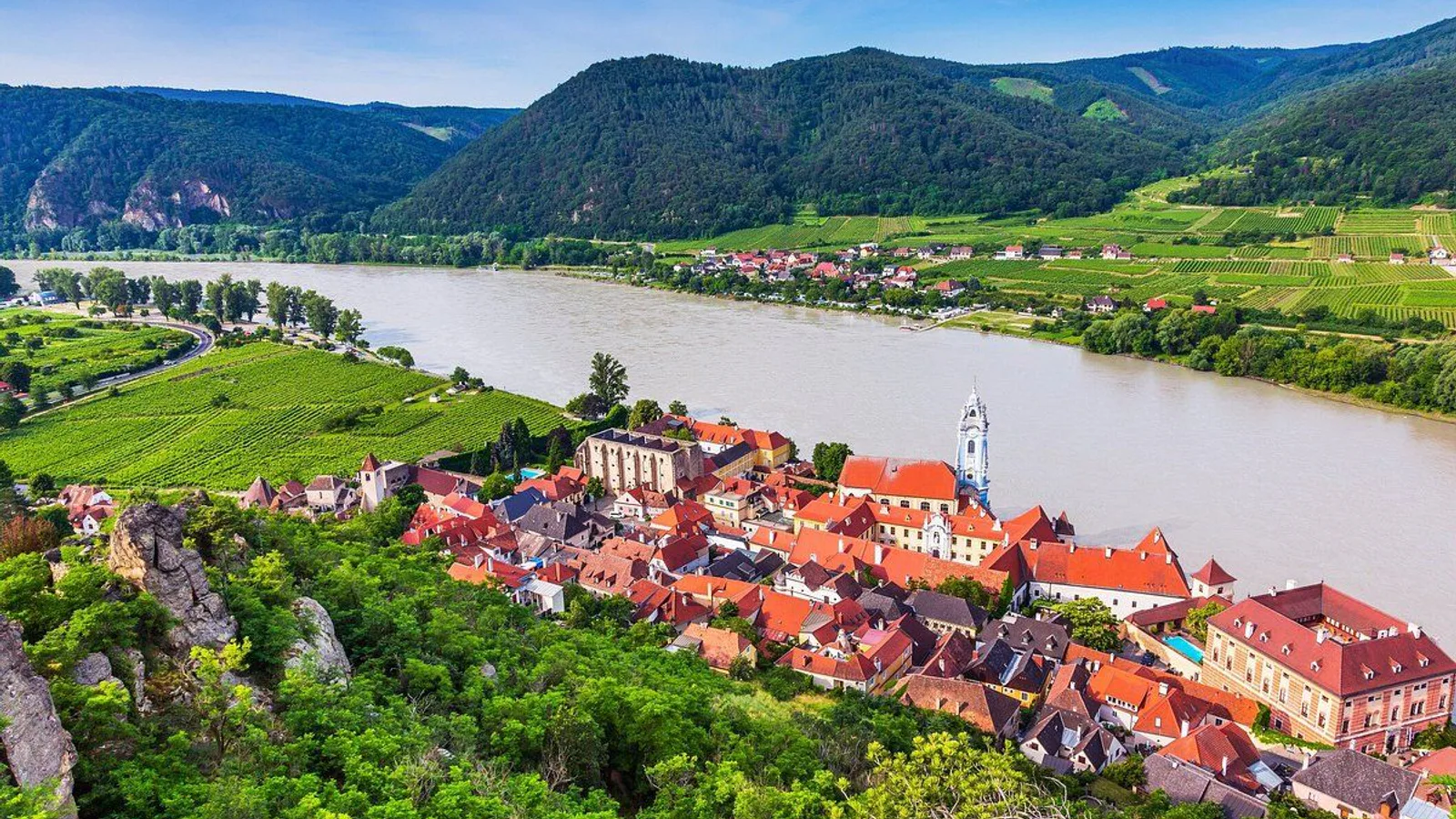
Wachau Beauty & Medieval Heritage – Dürnstein Private Shore Tour
Published duration: 4 hr
A private four-hour Wachau tour with explicit pickup and return at Dürnstein Cruise Port, combining the village, abbey and castle story, nearby scenery, and flexible stops.
Opening hours and local conditions change. Confirm details before setting off, and use the ship’s all-aboard time—not optimism—as your deadline.