 The independent LGBTQ+ cruise directory

How gay-friendly is Genovesa Island?
Your Genovesa day starts with the landing
On a gay cruise to Genovesa Island, you’re here for seabirds, volcanic scenery and the company of your expedition group. Start with the briefing. Your useful question is which landing you’ll make and what it requires, rather than where to find a taxi. Out Adventures’ Galápagos itinerary describes a visit to El Barranco and Darwin Bay, with walking and a possible snorkel. Treat that as the operator’s published plan, subject to the arrangements for your departure. Ask your host to confirm the final island programme before choosing activities or packing your day bag.
This is a rewarding call if you enjoy looking closely. You can share the excitement with a partner, make a new friend over a bird identification, or spend a quiet moment taking in the bay. You don’t need to turn every outing into a competition about who saw the most species. A small expedition group can be sociable without being party-focused. Settle the practical details early so you can enjoy being somewhere extraordinary with people who wanted to come here too.
One island, two different shore experiences
Keep the sites distinct. Galápagos Conservancy’s Genovesa profile describes Darwin Bay Beach and Prince Philip’s Steps, also known as El Barranco. The latter involves a steep stairway from the rocks to a trail above the cliffs. Darwin Bay has a sand-and-coral landing and a trail that includes a rocky rise. A beach arrival therefore doesn’t establish that the whole walk is level. Ask the guide to describe the actual route, its footing and where you can stop if you need a shorter outing.
Make the distinction before you book a voyage if steps or balance are concerns. A photograph taken at the beach tells you little about the transfer from a moving boat or the climb at a second site. Tell the operator what assistance you need, how you manage stairs and whether you use a mobility aid. Ask for a specific answer about the vessel, landing and available alternatives. A general statement that a cruise welcomes everyone doesn’t establish that each shore activity will work for you.
What to watch for without chasing it
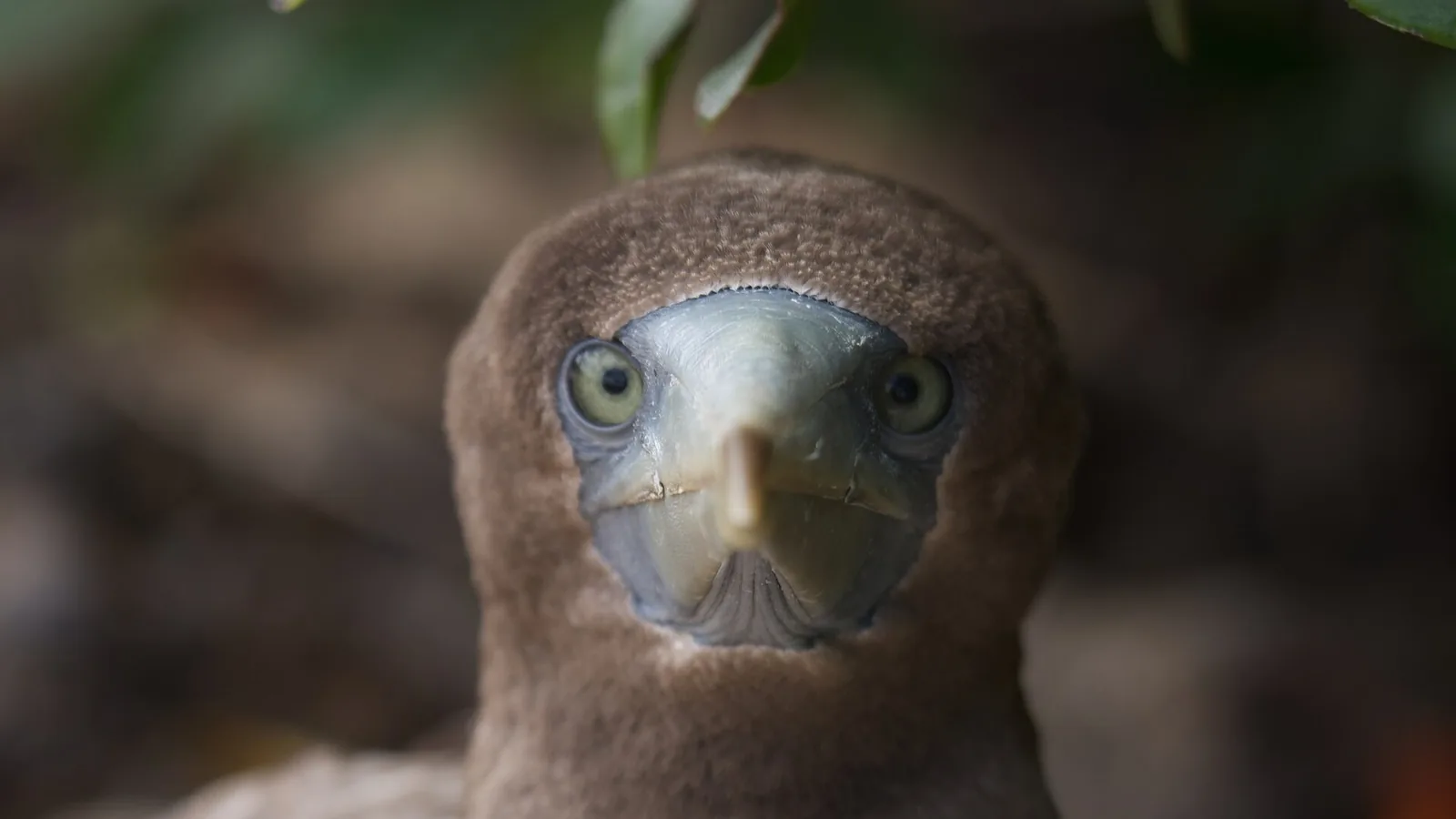
Look first, photograph second. Genovesa’s appeal includes bird colonies and the chance to notice behaviour that a quick photograph misses. Ask your naturalist which birds are nesting, feeding or moving through the area you’re visiting. A good question is often more useful than a longer lens. Let the guide point out what’s happening without pushing past the group or leaving the route for a clearer view. Keep your equipment close enough that it doesn’t become another obstacle on a narrow path.
Wildlife sightings remain possibilities. Build your expectations around a guided visit to the habitat, rather than a checklist that has to be completed. If you’re especially interested in a species, tell the naturalist at the briefing and ask how to watch responsibly. Give other passengers room to look as well. Couples can take turns with a camera; solo travelers can ask a shipmate for a photograph when the guide says the location is suitable. You’ll get more from the day by paying attention than by trying to stage it.
The gay social setting is your group
Choose your company thoughtfully. The gay-cruise context comes from your operator and fellow passengers, while the island visit follows the expedition programme. Out Adventures describes its tour as welcoming LGBTQ+ travelers, friends and family. Ask your own host about the group format, shared meals and opportunities to meet people if those matter to your booking. A destination name alone doesn’t tell you whether you’ll be traveling with a hosted group, a private charter or an independently booked vessel.
For a solo guest, a shared landing gives you an easy conversation starter without requiring a late night. Couples can enjoy the same outing at different paces if the guide’s arrangements allow it. Older guests, bears and sober travelers shouldn’t need a separate justification for wanting nature and companionship. Talk through your interests with the host, including any need for quiet time. Ask before photographing other passengers or posting their pictures online. A group holiday works better when everyone keeps a little control over their privacy.
Beach, bathhouse, dining and nightlife expectations
Plan around the vessel. The Conservancy’s island profile and the operator’s shore programme describe protected visitor sites rather than an independent town visit. Those sources do not establish a dedicated gay beach, gay sauna, bar, club or qualifying gay restaurant at Genovesa. Our conclusions are bounded to the island and the reviewed sources; they say nothing about the welcome offered elsewhere in Ecuador. Darwin Bay’s beach shouldn’t be relabeled a gay beach merely because a gay group visits it.
Before leaving the ship, ask what food, drinking water and toilet arrangements apply to the outing. Explain dietary requirements to the operator before travel and reconfirm them with the crew. Don’t count on finding a replacement meal ashore if the onboard provision doesn’t suit you. If you want a social drink or an evening gathering, discuss the ship’s arrangements with the host. Keep those plans separate from the landing. This is a good day to let the naturalist lead and save your restaurant research for a town call.
Mobility and comfort deserve specific answers
Describe your needs clearly. Ask about boarding the small boat, stepping onto the landing, negotiating uneven ground and returning when you’re tired. The same person can find one stage straightforward and another difficult. Request an explanation of what assistance the crew can provide and what they cannot safely do. If you have concerns about balance, pain, stamina or a medical condition, raise them before paying for the trip rather than hoping the first briefing will settle everything.
Ask whether staying aboard or skipping one activity is practical, and what that alternative actually involves. A shorter walk may still require the same boat transfer. Discuss footwear, carrying water and protecting medicines with the crew, using their instructions for your visit. Leave space in your bag for the items you need rather than filling it with equipment you won’t use. Agree with a companion how you’ll handle different activity choices. It’s easier to enjoy a shared holiday when changing your mind doesn’t require a negotiation at the landing.
Snorkeling is a separate decision
Ask before entering. The operator’s published itinerary offers a possible snorkel at Genovesa, but your departure’s programme and the guide’s assessment determine what you’re offered. Confirm the location, supervision and equipment. Tell the crew about your swimming confidence, experience and any needs that could affect getting into or out of the water. Ask whether you can join the shore visit while declining the swim, rather than assuming that the activities come as one inseparable package.
Check what your booking includes and what you need to bring yourself. Equipment availability, fit and personal suitability deserve a direct answer from your operator. Keep any advice about conditions tied to the day’s briefing; a calm-water photograph is not a forecast. If you’re tired after the walk, say so. You can enjoy an expedition without taking every possible activity. Share the plan with your partner or host before the group separates, and use the guide’s return instructions rather than your own estimate of how long the outing should take.
Conservation instructions come before a photograph
Follow the current briefing. Use the Galápagos National Park’s visitor information and ask your operator for the rules that apply to your visit. The park’s general web pages did not expose a complete current rule text during this review, so this guide doesn’t prescribe numerical wildlife distances, permit fees or detailed access rules. Your guide should explain the permitted route, photography, biosecurity and water-activity instructions before you go ashore. Ask for clarification whenever you’re unsure.
Take those instructions seriously even when another group appears to be doing something different. Keep your belongings together, follow the route you’re given and ask before setting equipment down near wildlife. If an animal changes the group’s path, wait for the naturalist’s direction. There’s no photograph worth pressuring a guide or another passenger into an uncomfortable situation. Discuss any specialist photography plans with the operator before travel, including equipment that could need separate permission. A holiday booking does not itself settle every activity you might want to attempt.
Money, connectivity and the wider journey
Prepare before embarkation. Ask the operator how you’ll settle onboard charges, gratuities and any fees outside the advertised package, and confirm the currency and payment methods directly. Keep that conversation separate from whether an independent business happens to accept a card on another island. Download the documents and contact details you need before leaving a reliable connection. Ask the vessel about communications and emergency arrangements; don’t make a shore-day plan that depends on getting a signal at the landing.
For the mainland parts of your holiday, check current official Ecuador travel advice, including the linked regional guidance, alongside your operator’s instructions. Review your entry documents, insurance and medical arrangements for the complete journey. Don’t assume a remote island outing has the same practical risks or services as an airport transfer or city stay. Discuss any necessary medicines and contingency plans before departure. Your own government’s guidance and your operator should help you make those decisions for your circumstances.
Keep excursions and the actual landing aligned
Check the starting point. An online tour associated with the Galápagos may begin on a different island and require transport that has no place in your expedition day. Compare any automatically discovered option with your vessel’s actual landing, activity programme and return arrangements. Product cards own their current booking facts; this guide promises no independent pickup, departure, accessibility provision or guaranteed return. If an option can’t be confirmed as practical from your call, ask the operator before buying it.
Finish the plan at the briefing, then let yourself be present. Confirm what you’re doing, what you’re carrying and how you’ll return. Leave room for the guide to adjust the outing. Back aboard, compare photographs or simply enjoy the view with someone who understands why you wanted this trip. Genovesa rewards curiosity and patience. Choose a voyage whose activity level suits you, ask the awkward practical questions early, and give yourself the chance to enjoy the island at your own attentive pace.
Gay places ashore
Not every listing here yet cites a source or publishes a distance from your berth.
Beaches: No verified gay beach found
The reviewed Genovesa island profile and operator landing programme identify Darwin Bay as a shared wildlife visitor beach. They do not establish a dedicated or reliably gay-popular beach; a gay group visit does not change its identity.
Saunas: No verified gay sauna found
The reviewed Genovesa island and operator inventories do not identify a gay sauna or bathhouse at this protected landing destination. This conclusion is bounded to Genovesa, not other Galápagos islands.
Bars & clubs: No verified gay bar or club found
No dedicated or reliably gay-popular bar or club is established in the reviewed island and operator landing inventories. Social arrangements aboard your vessel are separate from island venues.
Restaurants & cafés: No verified gay restaurant or café found
No restaurant meeting the evidence standard for a meaningful gay identity or reliable gay popularity is established in the reviewed Genovesa visitor and operator inventories. Confirm meal arrangements with your vessel.
Gay sailings that call at Genovesa Island
- Gay Galápagos Cruise · May 10, 2027 · Out Adventures
- Gay Galápagos Cruise · November 22, 2027 · Out Adventures
Bookable excursions
No matching excursions are available to display right now. Try again later.
Opening hours and local conditions change. Confirm details before setting off, and use the ship’s all-aboard time—not optimism—as your deadline.