 The independent LGBTQ+ cruise directory
Japan · JPTYO
Gay Tokyo port guide
Gay-friendly reality checks, genuinely useful shore ideas, and zero pressure to call every beach hidden.
How gay-friendly is Tokyo?
Tokyo in one fabulous sentence
Tokyo is a thrilling collision of old rituals, immaculate trains, tiny gay bars, giant crossings, serious food, and enough neighborhoods to ruin any itinerary built by someone who thinks “while we’re nearby” is a unit of distance.
First, confirm which Tokyo you have
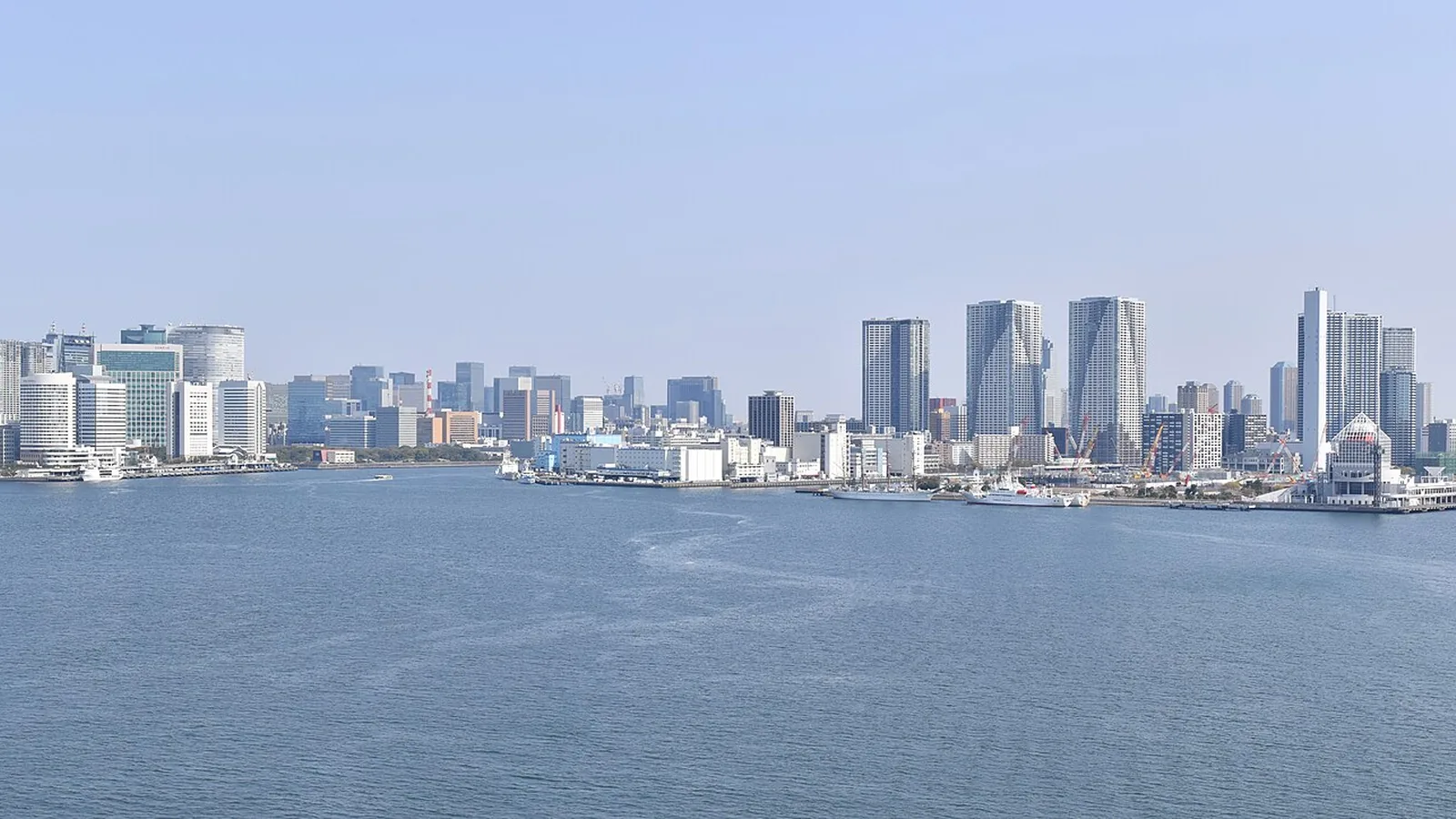
Tokyo International Cruise Terminal is in Odaiba, on Tokyo Bay. Some cruise itineraries marketed as Tokyo use Yokohama, which is a different port in a different city with a different journey. Look at the berth documents before reserving anything. The difference is not pedantic; it can consume the morning you intended to spend in Asakusa.
For ships at Tokyo International Cruise Terminal, the official access guidance places Tokyo International Cruise Terminal Station on the Yurikamome line about an eight-minute walk away. Tokyo Teleport Station on the Rinkai line is another possible connection, but use the terminal’s current guidance to check the walking route and any ship-day transport when you arrive. Travelers needing a step-free route should verify current terminal and station lift availability, gangway assistance, and the exact ship setup before arrival.
The Yurikamome is scenic and useful for Shimbashi connections. The Rinkai line runs toward Shibuya and Shinjuku through through-services and connections. Neither turns all of Tokyo into one neighborhood. Transit is excellent because the city is enormous, not because enormous has been repealed.
Build a neighborhood, not a conquest
Tokyo rewards geographic editing. Asakusa pairs Sensō-ji, older shopping streets, and river scenery. Ueno adds museums and park space. Central Tokyo can combine the Imperial Palace exterior, Ginza, Nihonbashi, and Tsukiji. Shibuya provides the crossing, youth culture, and shopping. Shinjuku brings observation views, department stores, and Ni-chōme. Odaiba itself offers bay views, contemporary attractions, malls, and an easy return.
Pick one main cluster and perhaps one secondary stop. Travel time includes finding the correct platform, walking through stations, waiting, navigating exits, and orienting above ground. Shinjuku Station is less a station than a municipal thought experiment. An extra twenty minutes is not failure; it is Tokyo acknowledging your existence.
Use a transit app, but also note the line name, station code, and exit number. English signage is widespread. Trains are orderly, queues are real, and loud calls are discouraged. Large luggage complicates crowded services. A port-day backpack should contain water, a battery, ship details, and far fewer “just in case” objects than your suitcase.
Gay Tokyo: huge city, tiny rooms
Shinjuku Ni-chōme is Tokyo’s best-known gay and queer nightlife district. Its reputation can make it sound like one vast rainbow avenue; in practice it is a dense grid of small bars, clubs, cafés, and specialist spaces with very different audiences. Some welcome first-time foreign visitors warmly. Others serve regulars, speak mainly Japanese, or have door policies based on gender, age, style, or membership. A small room is not automatically unfriendly; it may simply have twelve seats and eleven friends already inside.
The Ni-chōme venue cards and current audit summary below separate visitor-friendly bars from adult bathhouse options. Check each official page for the current audience, entry rules, hours, and programming before attending.
Most Ni-chōme energy arrives after dinner. A conventional day call can still include the neighborhood, especially alongside Shinjuku sightseeing, but do not expect midnight atmosphere at noon. Visit a café if open, see the streets, and let daytime Tokyo be daytime Tokyo. Returning for nightlife makes sense on an overnight or hotel stay, when the ship clock is not the least fun person in the bar.
Legal and social context for gay travelers
Japan's official tourism site notes that Tokyo introduced a system legally recognizing same-sex partnerships in November 2022. Legal rights, recognition, and protections can differ from those at home and continue to evolve. Gay travelers may experience Tokyo as safe, polite, and discreet while still checking current official advice for any issue that could affect them personally.
Public affection is generally restrained across Japanese society. Gay couples may reasonably choose the same low-key behavior as local straight couples, particularly on trains, at temples, and in traditional settings. This is usually about social convention rather than a special visitor rule. Harassment and violence are not the default experience, but privacy matters in bars, apps, bathhouses, and photography.
Do not photograph people in gay venues without consent. Do not post another guest’s face simply because the lighting is excellent. Dating-app meetings require ordinary precautions: meet first in a public place, protect personal and hotel information, watch drinks, and understand a venue’s charges before ordering. Tokyo is famously safe; fame is not a password manager.
Tokyo Pride and year-round community
Tokyo Pride 2026 took place in June as part of a broader program of Pride Festival, parade, youth, conference, and cultural activity. That researched edition has passed. Future travelers should consult the official Tokyo Pride site for current dates, venues, access, ticketing, and crowd information rather than recycling a 2026 map.
Pride is an important public expression, but Tokyo’s gay life is not limited to one weekend or one male nightlife district. Community organizations, queer cultural events, women-centered spaces, trans-led programming, and mixed parties operate across the metropolis. Official calendars and current local media are better discovery tools than old “top ten” lists. This guide uses gay language for our core audience while preserving the broader LGBTQ+ wording of named organizations and events.
How to use the current venue cards
Use the venue cards below to compare current identity, hours, entry expectations, and source links. Small bars can shift programming, audience, or opening times, so verify the night rather than relying on a historic reputation. 24 Kaikan Shinjuku is a dedicated men’s bathhouse with its own entry, identification, clothing, and conduct rules. For adult venues, read the identification, clothing, conduct, tattoo, hygiene, and privacy rules before arrival. Attend only if you want the experience and can respect everyone’s privacy.
GO TOKYO's official beach guide lists Tokyo Bay recreation areas and says Odaiba does not allow swimming, while cleaner mainland beaches are generally an hour or two away. A current bounded review of GO TOKYO's beach inventory plus Travel Gay and OutTokyo's Tokyo directories did not identify a dedicated or reliably gay-popular beach within practical cruise range. Tokyo’s distinct gay strengths are nightlife, community, and specialized indoor venues, not a sand circuit.
Temples, markets, and urban highlights
Sensō-ji in Asakusa is among the easiest cultural anchors for a first visit. Approach through Kaminarimon and Nakamise, allow for crowds, and remember that active religious spaces deserve considerate behavior. Early arrival helps. Ueno museums can absorb hours, so reserve one rather than sampling lobbies like hors d’oeuvres.
Tsukiji Outer Market remains a food destination even though the wholesale market moved to Toyosu. Go early, stay aware of delivery traffic, eat where instructed, and avoid blocking narrow lanes for photographs. Use the structured excursion cards below for current duration, meeting-point, pickup, and accessibility details; compare those facts with your terminal and all-aboard time before booking.
Shibuya Crossing is best paired with surrounding streets, viewpoints, shopping, or Meiji Shrine rather than visited as a freestanding pedestrian event. Meiji Shrine and nearby Harajuku create an appealing contrast. In Shinjuku, the Tokyo Metropolitan Government observatory can offer views when open, while gardens, department stores, and Ni-chōme form a compact cluster by Tokyo standards.
Odaiba is the least stressful option for a short call. Waterfront promenades, architecture, shopping, and bay views sit near the terminal. Attractions and museums can require timed tickets or have irregular closure days, so use official sites. Staying close is not a consolation prize; it is a sophisticated refusal to spend half a call underground.
Food without panic-ordering
Tokyo can provide extraordinary sushi, ramen, soba, tempura, yakitori, curry, pastries, coffee, vegan food, and convenience-store engineering. You do not need the internet’s most famous counter to eat brilliantly. A short call often benefits from a respected neighborhood restaurant with practical hours rather than a reservation whose deposit and lateness policy become the day’s antagonist.
Restaurants may use ticket machines, queue systems, fixed courses, or one-order-per-person expectations. Carry some yen because small businesses and machines can prefer cash even though card and contactless acceptance is widespread. Do not tip; good service is included. Ask before photographing food preparation or staff.
Dietary needs require planning. Vegetarian does not always mean fish-free, and stocks or sauces may contain animal ingredients. Allergy cards in Japanese can help, but severe allergies warrant direct confirmation. Halal, kosher, vegan, and gluten-aware options exist, especially with research. Convenience stores are useful, yet labels may not be fully translated.
Bathing, tattoos, and etiquette
Public baths, hot springs, pools, gyms, and some spa facilities may restrict tattoos. Policies vary: some allow small tattoos covered by a patch, some provide private arrangements, and some refuse entry. Check the exact venue before travel. This is relevant beyond gay bathhouses and should not be solved at reception by pointing out that the tattoo is tasteful.
At traditional baths, wash thoroughly before entering the shared water, keep towels out of the pool, follow nudity rules, and speak quietly. Gendered facilities may create particular concerns for trans and nonbinary travelers; contact the venue about current policy rather than forcing a vulnerable conversation at the desk.
Shoes come off in many interiors. Queueing, rubbish disposal, eating while walking, smoking zones, and train etiquette have local norms. Visitors are not expected to be flawless, only attentive. Observe what people around you do and respond graciously when corrected.
Weather, safety, and connectivity
Tokyo summers can be hot and humid, with heat illness a real planning factor. Carry water, use shade, take indoor breaks, and do not schedule a heroic walking day because the map looked flat. Rainy periods and typhoons can disrupt transit and port operations. Winter is generally cool and drier, while spring and autumn bring popular weather and crowds. Check official weather and the cruise line’s operational messages.
Earthquakes are part of life in Japan. Follow local instructions, keep shoes and essentials accessible, and know the ship’s contact plan. Emergency information is available in multiple languages through official services. Normal visitor risks include lost phones, missed trains, nightlife overcharging, and the rare theft; use the same awareness you would in any major city.
Public Wi-Fi exists but should not be your only connection. Arrange roaming or a compatible SIM before relying on live navigation. Carry an offline map and screenshot the terminal name in Japanese. A nearly empty phone battery can make the world’s best transit network feel suddenly conceptual.
Accessibility and pacing
Accessibility in Tokyo is route-specific. Use official station maps and current route guidance to identify lifts, accessible toilets, step-free exits, and any assistance available for the journey you actually plan; long transfers and crowding can still matter. An “accessible station” does not mean every exit has an elevator. Ask station staff what boarding help is available and allow time for it.
Reserve an accessible vehicle for private touring and specify the mobility device dimensions. The selected tours vary; pickup availability does not prove wheelchair compatibility. At historic sites, gravel, thresholds, steps, and crowds create additional barriers. Odaiba’s modern waterfront can be a gentler alternative.
Travelers with low stamina should choose one district and use taxis selectively. Sensory-sensitive visitors may prefer earlier hours, quieter train cars, gardens, and reserved seating. Anyone can schedule a café break. Tokyo does not award medals for remaining upright continuously.
Compare the current excursion cards
Use the structured cards below to compare current duration, pickup geography, meeting instructions, accessibility notes, and cancellation terms. For any independent option, obtain written pickup confirmation, choose a focused route, and plan a return well before all-aboard. “Private” improves flexibility; it does not dissolve traffic.
A food walk and a private driving day solve different problems; compare the current cards against your priorities, mobility needs, and available port time.
Prices, ratings, review counts, inventory, and cancellation terms are live facts that can change. Read the booking page at purchase. A five-star review cannot hold the gangway.
Three plans that fit reality
The first Tokyo day: travel early to Asakusa, visit Sensō-ji, eat nearby, add one central stop such as Ginza or Tsukiji, then return to Odaiba with a large buffer.
The gay-culture cluster: go to Shinjuku, combine a garden or observation view with Ni-chōme, and use the current venue cards only if daytime or early-evening hours fit. Save adult nightlife for travelers who specifically want it and have ample time.
The low-stress bay day: explore Odaiba, choose one timed attraction, eat well, enjoy the waterfront, and walk back to the terminal. You will see less of Tokyo and considerably more of your actual vacation.
Current gay-scene audit notes
A current bounded review of GO TOKYO's beach inventory plus Travel Gay and OutTokyo's Tokyo directories did not identify a dedicated or reliably gay-popular beach within practical cruise range.
EAGLE Tokyo Blue and Alamas Café are verified Ni-chōme gay venues with schedules and programming that can change. Most nightlife does not fit a standard daylight call.
A current bounded review of GO TOKYO's dining inventory plus Travel Gay and OutTokyo's Tokyo directories found mixed-use cafes and mainstream restaurants, but did not verify a dedicated gay restaurant whose primary identity supports a standalone restaurant card. Tokyo has welcoming dining and queer events, but cuisine does not acquire an orientation by proximity to Ni-chōme.
The bottom line
Tokyo is superb for gay cruise passengers who edit ruthlessly. Confirm Tokyo versus Yokohama, choose one neighborhood cluster, understand that Ni-chōme is most alive at night, and use the transit network with time to spare. The city will always contain another temple, bowl, bar, or view. Missing one is not a planning failure; missing the ship is.
Gay places ashore
Every place we can verify against a citable source, with how far each one is from your berth.
Beaches: No verified gay beach found
A current bounded review of GO TOKYO's beach inventory plus Travel Gay and OutTokyo's Tokyo directories did not identify a dedicated or reliably gay-popular beach within practical cruise range.
24 Kaikan Shinjuku
Saunas · Exclusively gay · 2-13-1 Shinjuku, Shinjuku City, Tokyo 160-0022, Japan
Port-day fit: Daytime — A realistic option during many daytime port calls, with the ship's all-aboard time still firmly in charge.
From port: About 9 miles from Tokyo International Cruise Terminal
Getting there: Take the Yurikamome and connecting rail/metro to Shinjuku-sanchome, then walk. A taxi can be slow and expensive in traffic.
Clothing policy: Clothing not allowed
Hours: The venue operates extended/24-hour service, but maintenance windows and entry rules vary; confirm on the official site.
Admission: Rates vary by visit length and age. Bring passport or accepted government ID and review tattoo and footwear rules before arrival.
A large dedicated men's bathhouse in Shinjuku Ni-chōme with Japanese entry customs.
Good to know: A Japanese-style dedicated men's bathhouse rather than a Western hotel spa. Read the operator's etiquette and entry requirements before going.
2 research sources
EAGLE Tokyo Blue
Bars & clubs · Primarily LGBTQ+ · Casa Verde 1F/B1F, 2-11-2 Shinjuku, Shinjuku City, Tokyo
Port-day fit: Overnight — Best when the ship stays late or overnight; ordinary daytime calls usually leave before the useful hours.
From port: About 9 miles from Tokyo International Cruise Terminal
Getting there: Take Yurikamome and rail/metro to Shinjuku-sanchome, then walk into Ni-chōme.
Clothing policy: Clothing required
Hours: Daily 6 p.m.–4 a.m.
Admission: Published basic charge is ¥1,700 including one drink and table charge; additional drinks start around ¥800. Verify current pricing.
A large, visitor-friendly gay bar in Shinjuku Ni-chōme with DJs, drag, and go-go events.
Good to know: One of the more visitor-accessible Ni-chōme choices, with English support and a broad age mix. Its 6 p.m. opening may fit an overnight but not many calls.
2 research sources
Alamas Café
Restaurants & cafés · Gay-popular · mixed crowd · Garnet Building 1F, 2-12-1 Shinjuku, Shinjuku City, Tokyo, Japan
Port-day fit: Overnight — Best when the ship stays late or overnight; ordinary daytime calls usually leave before the useful hours.
From port: About 9 miles from Tokyo International Cruise Terminal
Getting there: Take the Yurikamome and connecting rail or metro to Shinjuku-sanchome, then walk into Ni-chōme. Confirm that the ship uses Tokyo rather than Yokohama.
Clothing policy: Clothing required
Hours: Tuesday–Thursday 6 p.m.–2 a.m.; Friday–Saturday and the night before holidays 6 p.m.–5 a.m.; Sunday 4 p.m.–midnight; closed Monday. Recheck the current listing.
Admission: Published minimum spend starts at ¥400, with no table charge; event pricing may differ.
An LGBTQ+-popular café and event venue in Shinjuku Ni-chōme serving food, drinks, and late-night programming.
Good to know: A more approachable café-style Ni-chōme option than a tiny members-style bar, but its evening opening excludes most ordinary port calls. Best for an overnight or hotel stay.
Gay sailings that call at Tokyo
- Circle Japan Cruise · April 3, 2027 · Aquafest Cruises
- Temples & Traditions of Japan Cruise · April 12, 2027 · OUTbound
- Best of Asia Hosted Luxury Journey · March 12, 2028 · KelliGregg Travel
Bookable excursions
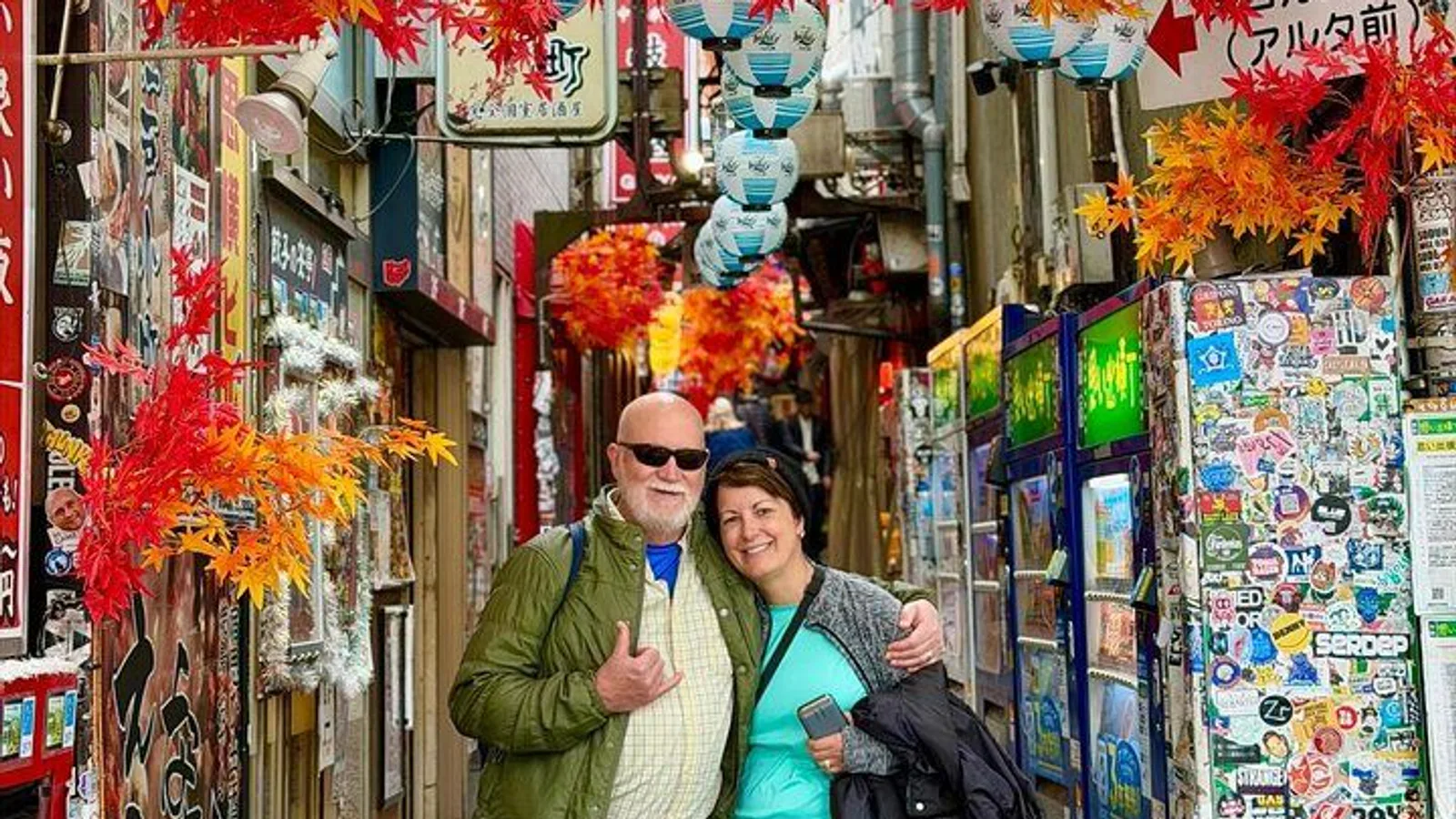
Tokyo Private Discovery Tour | Unique Insights & Must Sees
A Viator-listed option associated with Tokyo: Tokyo Private Discovery Tour | Unique Insights & Must Sees. It is included from current traveler-rating results (5/5 from 275 reviews); confirm the meeting point, accessibility, and ship-return timing before booking.
5.0 stars from 275 reviews · View excursion on Viator
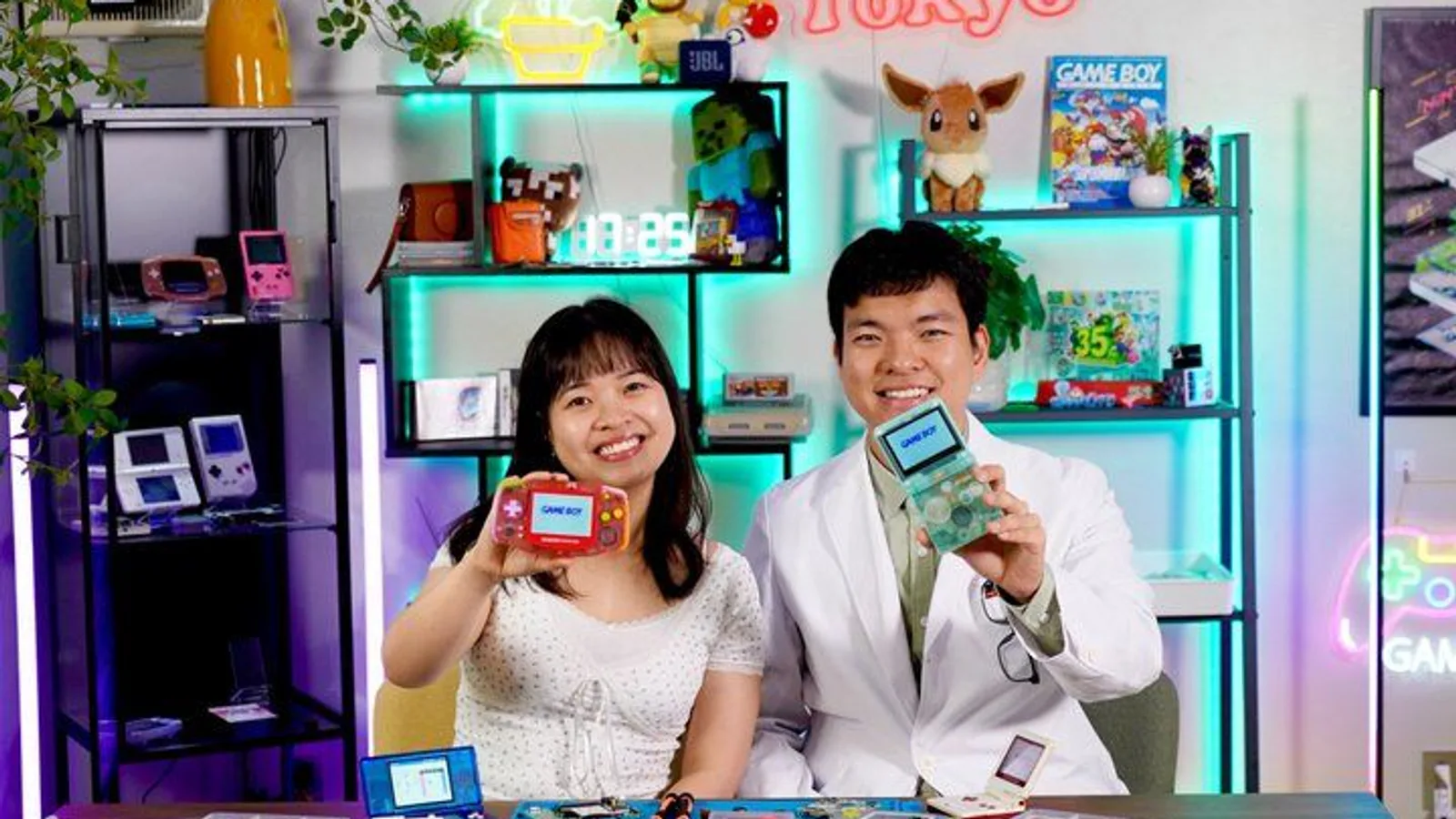
Pixel Lab Tokyo: Gameboy Mod Workshop (Classic/Advance/SP)
A Viator-listed option associated with Tokyo: Pixel Lab Tokyo: Gameboy Mod Workshop (Classic/Advance/SP). It is included from current traveler-rating results (5/5 from 182 reviews); confirm the meeting point, accessibility, and ship-return timing before booking.
5.0 stars from 182 reviews · View excursion on Viator
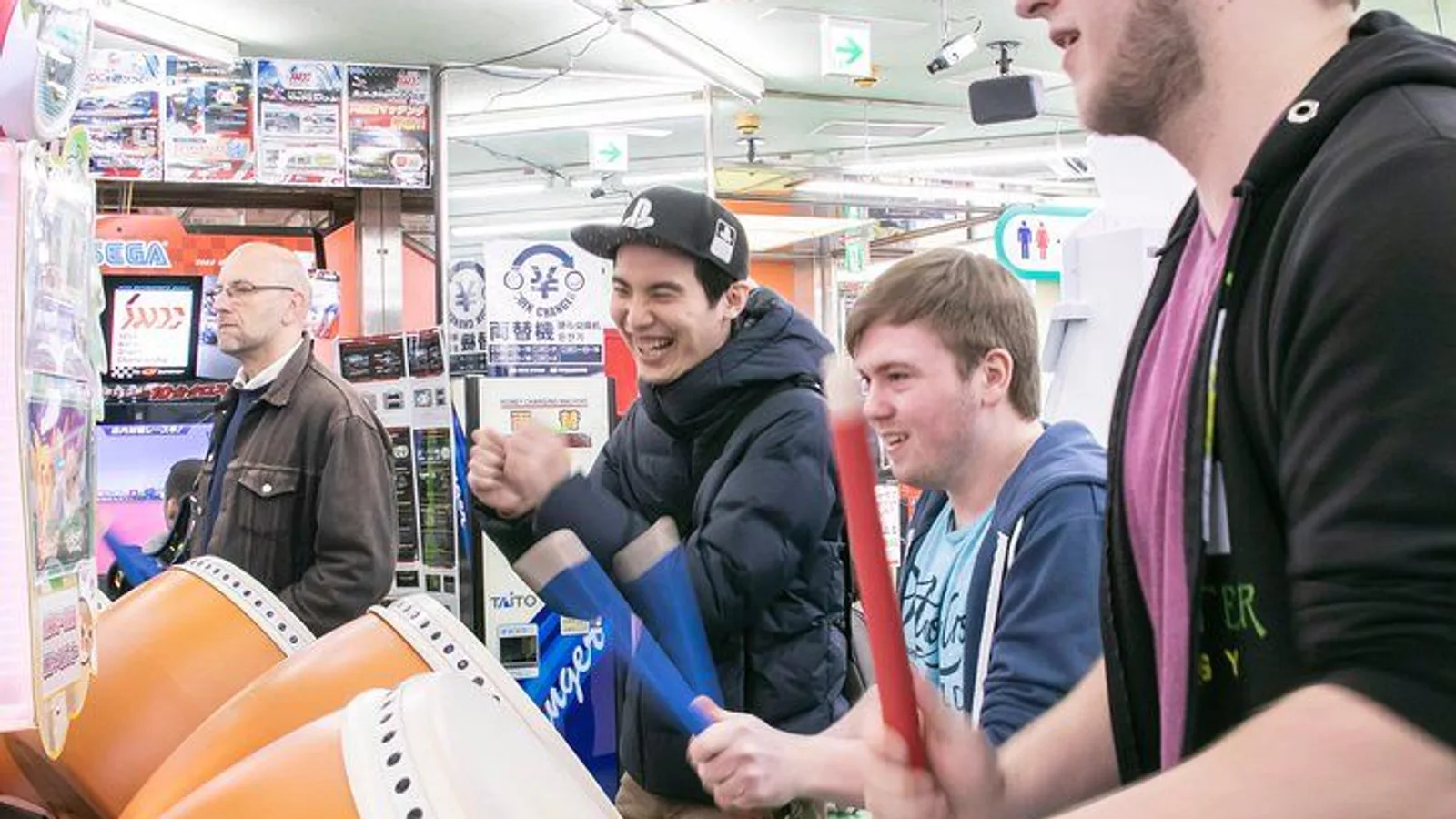
Private Tailor-made Akihabara Anime Tour with a Local Otaku Guide
A Viator-listed option associated with Tokyo: Private Tailor-made Akihabara Anime Tour with a Local Otaku Guide. It is included from current traveler-rating results (5/5 from 176 reviews); confirm the meeting point, accessibility, and ship-return timing before booking.
5.0 stars from 176 reviews · View excursion on Viator
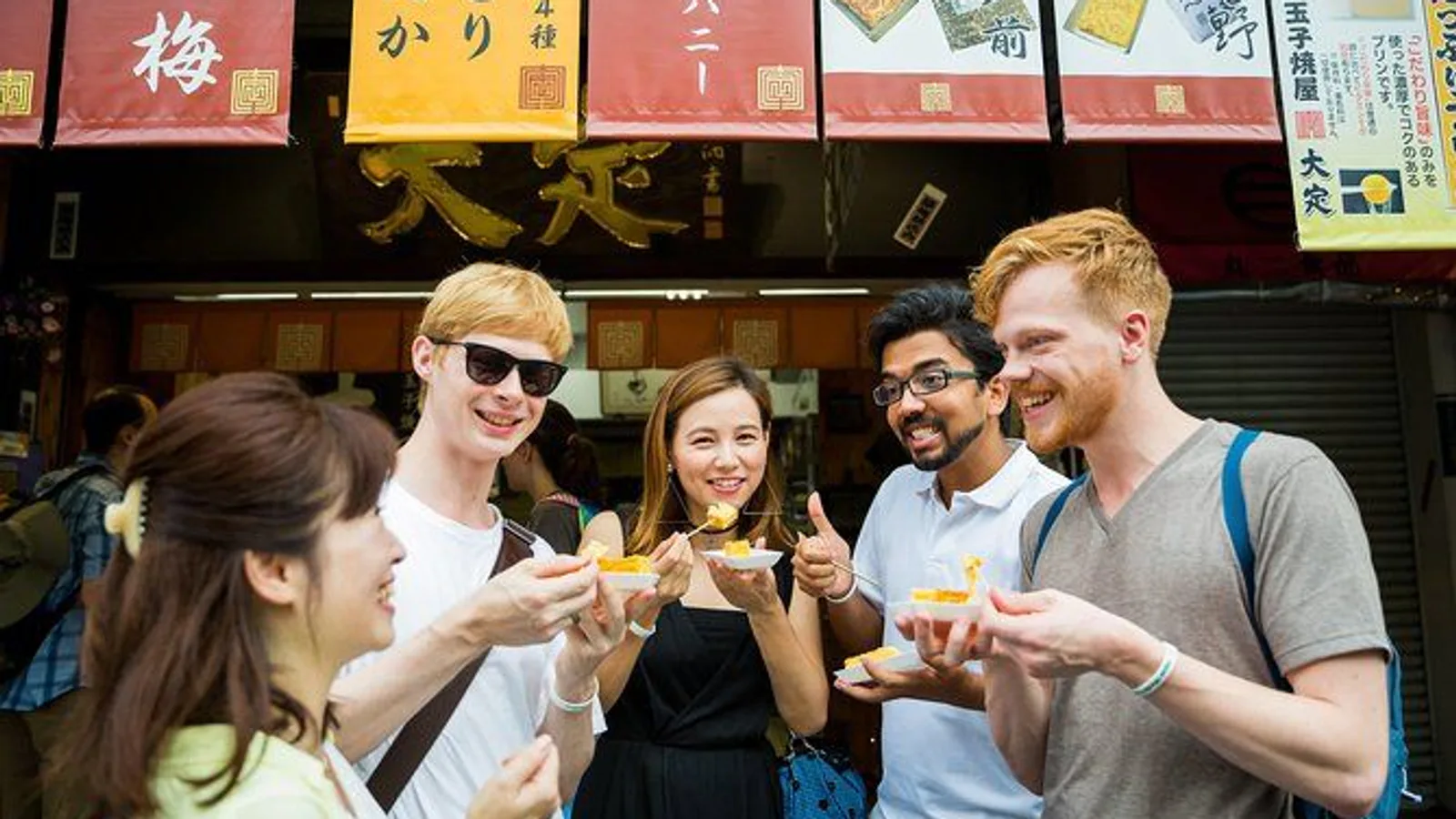
Tokyo Tsukiji Fish Market Food Walking Tour with 5 Tastings
Published duration: 3 hr
A three-hour small-group walk through Tsukiji Outer Market with five tastings and market stories. It has no port pickup, so cruise guests must allow for the Odaiba transfer, the meeting-point search, and a relaxed return buffer.
4.9 stars from 3,733 reviews · View excursion on Viator
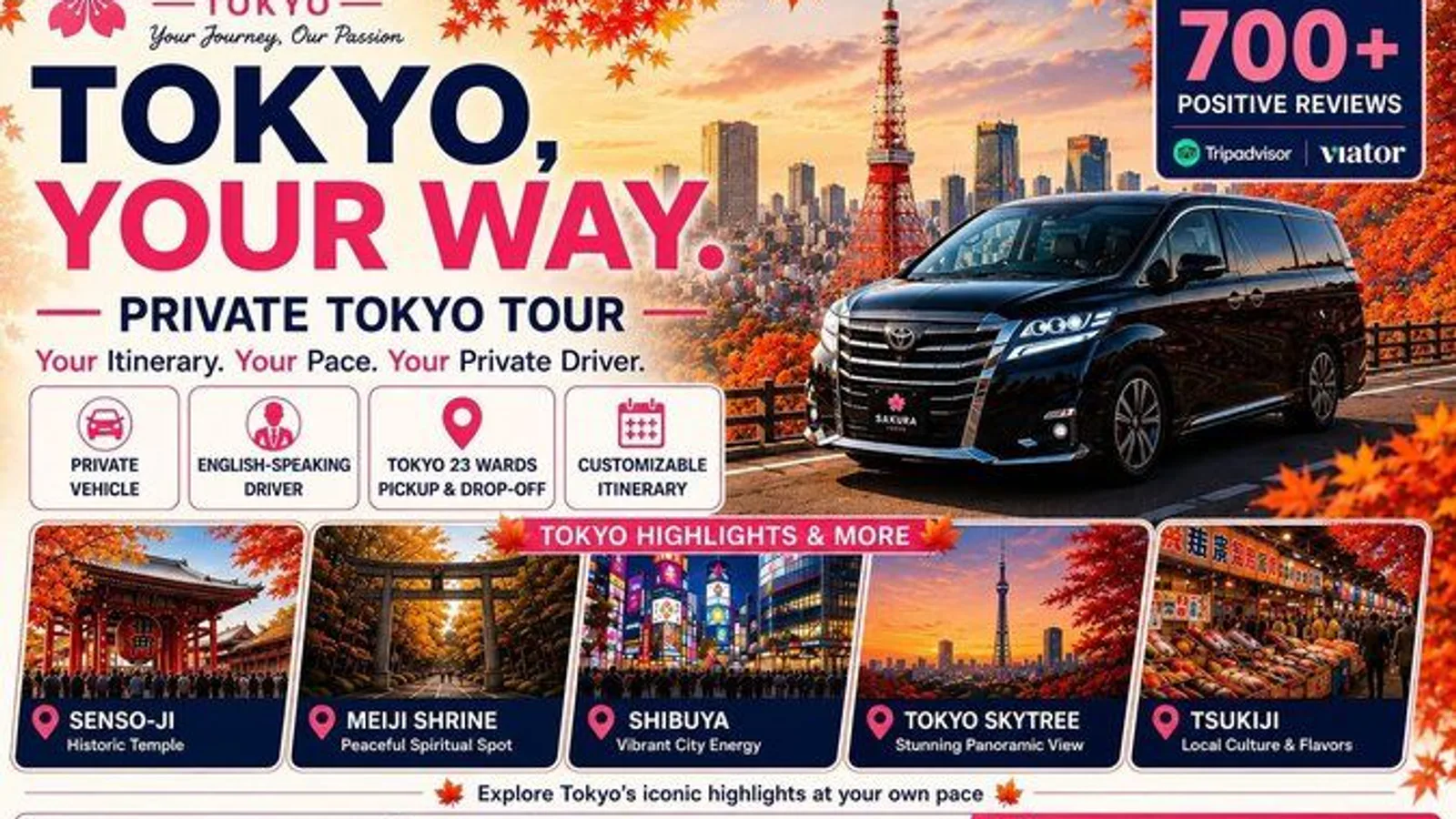
Private and Customisable Tokyo Tour with English-Speaking Driver
Published duration: 9 hr
A nine-hour customizable private Tokyo day with an English-speaking driver and published pickup guidance for Tokyo International Cruise Terminal. Confirm whether the vehicle can enter the terminal or will meet roughly 200 metres away, then build in a conservative Odaiba return.
4.9 stars from 575 reviews · View excursion on Viator
Opening hours and local conditions change. Confirm details before setting off, and use the ship’s all-aboard time—not optimism—as your deadline.